Last updated: 2026-09-25
Read and write
Living things use DNA to store biological instructions. Sequencing reads the order of DNA letters in a sample. It can help a laboratory identify an organism, study a genetic change, or check the identity of a production cell line.
Writing biology means deliberately changing biological instructions or assembling them into a useful system. For example, researchers may alter a microbe so that, under controlled conditions, it makes a specific protein. This work is called synthetic biology when it uses engineering methods to design and test biological systems.
Reading DNA is not the same as changing a patient’s DNA. Clinical genome editing has separate medical, ethical, and regulatory questions. Using an established living-cell process to make a medicine is different again.
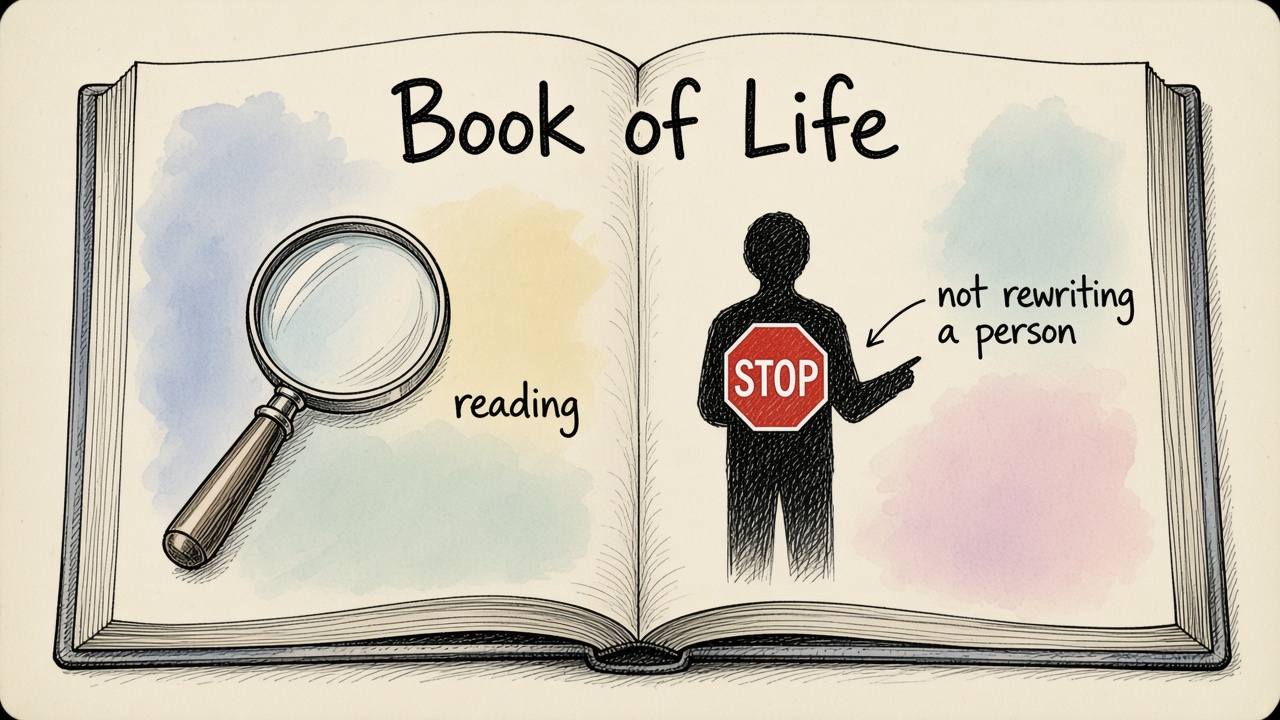
The distinction matters because each activity needs different evidence, permissions, and safeguards. A clinic looking for better access should focus on approved products and qualified partners, not on changing people or improvising production.