Last updated: 2026-09-24
Why straight-line thinking feels natural
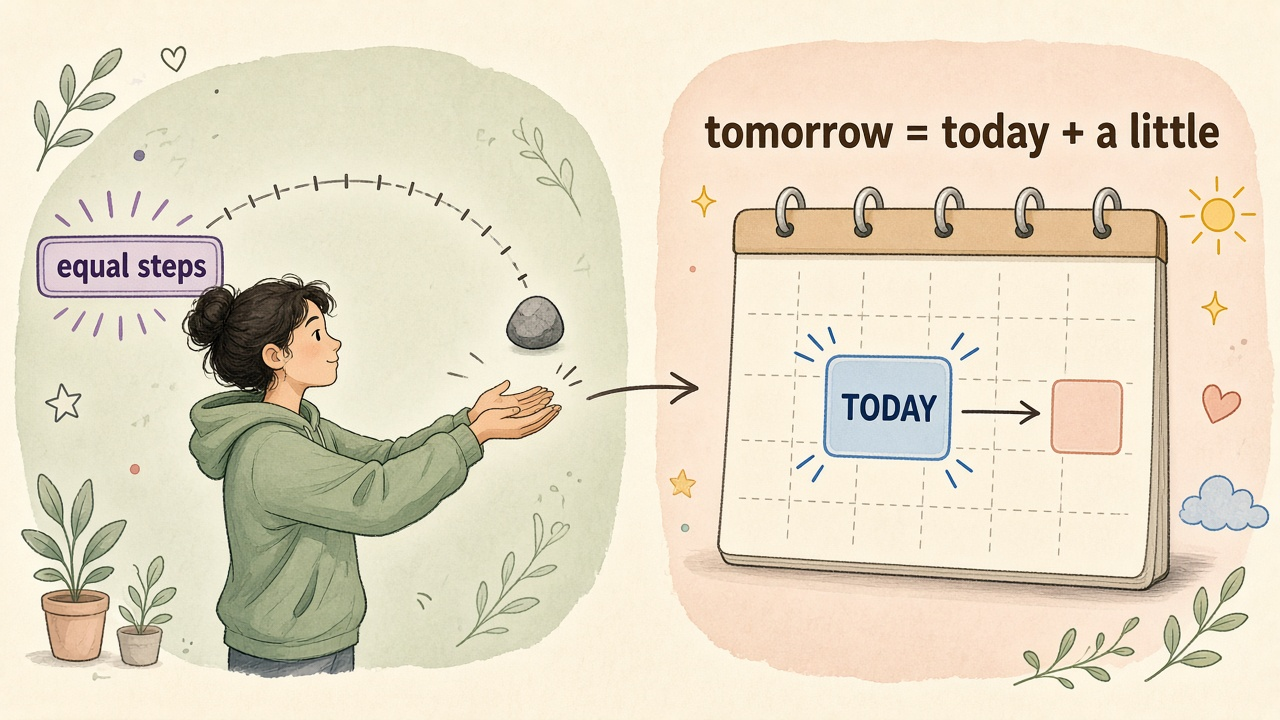
Most of the time, the near future looks a lot like the present. Next week’s commute, next month’s staffing, and next year’s maintenance bill usually change by an amount you can estimate from what happened before. Planning this way is sensible.
That habit has a name in mathematics: linear thinking. Start with today’s number and add or subtract a little. It works well when the thing you are planning changes slowly.
It breaks down when a capability improves by repeated multiplication rather than small additions. At Harborline, Chen’s team used the current battery-and-radio specification as the basis for a multi-year purchase. The choice looked cautious because it was based on real equipment and a real budget. But the specification could age much faster than the contract.
This is not a story about foolish people. A straight-line forecast is the right default for many decisions. The question is whether this particular part of the plan belongs to a field where the evidence has been moving much faster.
To answer that, we need a trend we can actually measure.