Last updated: 2026-07-23
09 — Flying cars
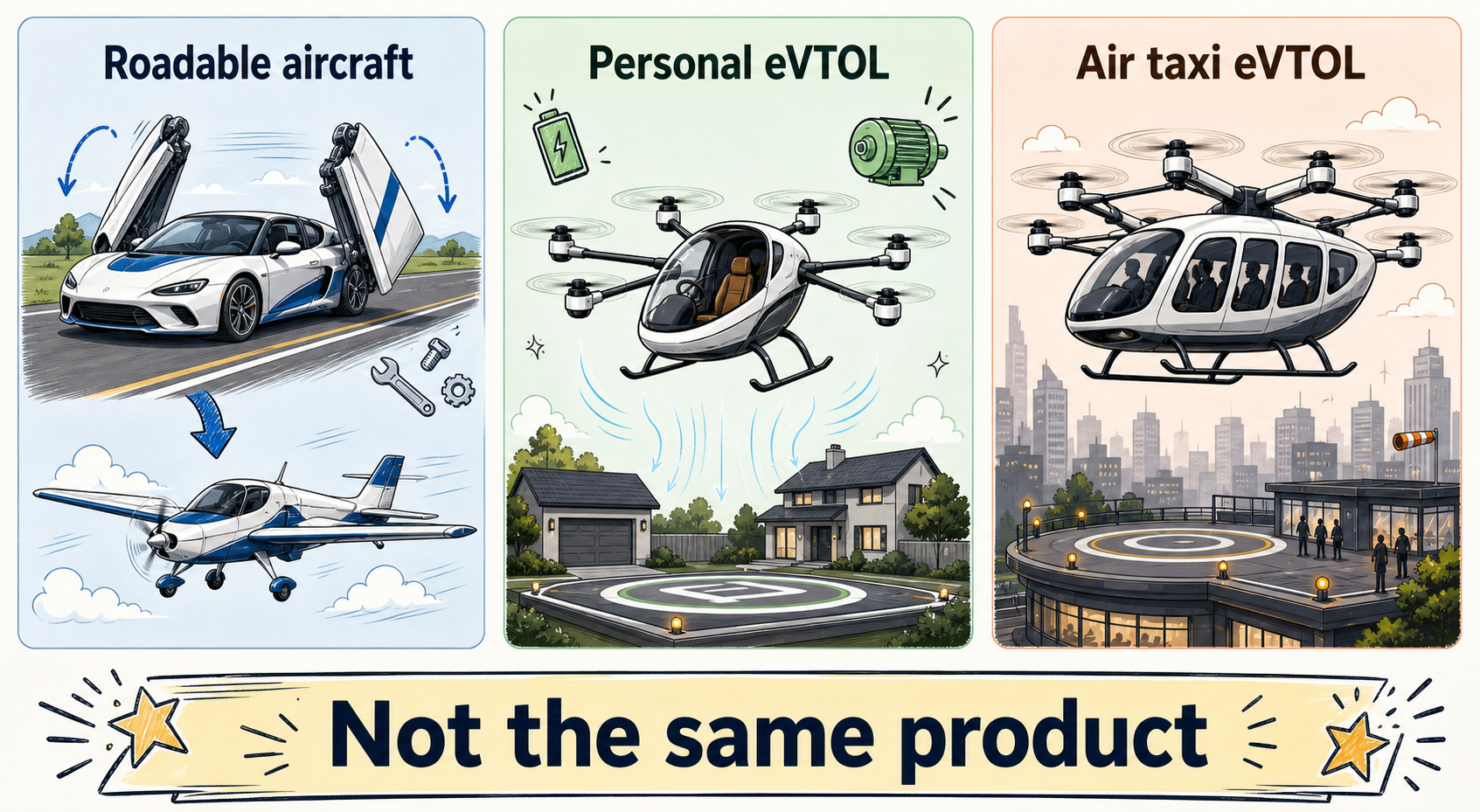
What people mean by “flying car”
❓ Is a flying car the same thing as an eVTOL air taxi?
No. “Flying car” is a popular phrase, not a single engineering class. Under that label sit at least three different machines:
- Roadable aircraft — a vehicle that can drive on public roads and fly (folding wings, road mode + flight mode). Classic dream: garage → street → sky → street.
- Personal eVTOL / PAV (personal aerial vehicle) — a small electric VTOL you own or rent, often not street-legal as a car; more “garage aircraft” or “drive to a pad, then fly.”
- Air-taxi eVTOL — commercial passenger VTOL on fixed or flexible routes (Joby, Archer class). These are flying buses/taxis, not cars you park at home.
Calling all three “flying cars” confuses certification paths, price points, and whether the hard problem is roads + air or only air.
Definition: A flying car, in the strict roadable sense, is a dual-mode vehicle designed for both ground traffic rules and aircraft rules.
Explanation: Dual mode doubles the regulatory and engineering surface area: crash structures, lighting, emissions/road worthiness, and airworthiness, weight, and pilot/airspace rules.
Different from: An eVTOL air taxi that never needs a license plate.
Hard-to-vary test: Drop the road requirement and you have ordinary AAM; drop the flight requirement and you have an EV. The “car” claim requires both.
Refutability: If production “flying cars” sold widely without either road legality or true VTOL/flight capability, the dual-mode definition would be marketing only (often true today).
Reach: Same dual-domain trap appears in amphibious cars and roadable boats.
Criticism note: Marketing will keep saying “flying car” for pure eVTOLs because the phrase sells.
Why the dream keeps failing the practicality test
❓ If the tech is real, why don’t suburbs already sound like airports?
Physics and institutions fight the sci-fi poster:
- Energy: Lifting a car-shaped mass is expensive. Flight time for small personal eVTOLs is often measured in tens of minutes, not cross-state hops, unless hybrid generators or runways help.
- Weight conflict: Cars want crash cages, bumpers, and passenger comfort mass; aircraft want every kilogram to earn its keep.
- Noise and neighbors: Rotors over houses create political limits long before battery density runs out.
- Pilot skill and liability: A bad lane change dents a fender; a bad approach can kill. Training, insurance, and automation requirements dominate unit economics.
- Infrastructure: Air taxis want vertiports and corridors. Roadables want both highways and clear takeoff spots. Cities are not designed for either at scale yet.
- Certification: Road rules (DMV-like) and aircraft rules (FAA/EASA-like) are separate civilizations. Dual-mode multiplies paperwork.
The honest mid-2020s story is prototypes, special airworthiness, preorders, and pilot programs — not a consumer appliance next to the washing machine.
Roadable aircraft lineage
❓ What happened to the classic fold-wing “plane that drives”?
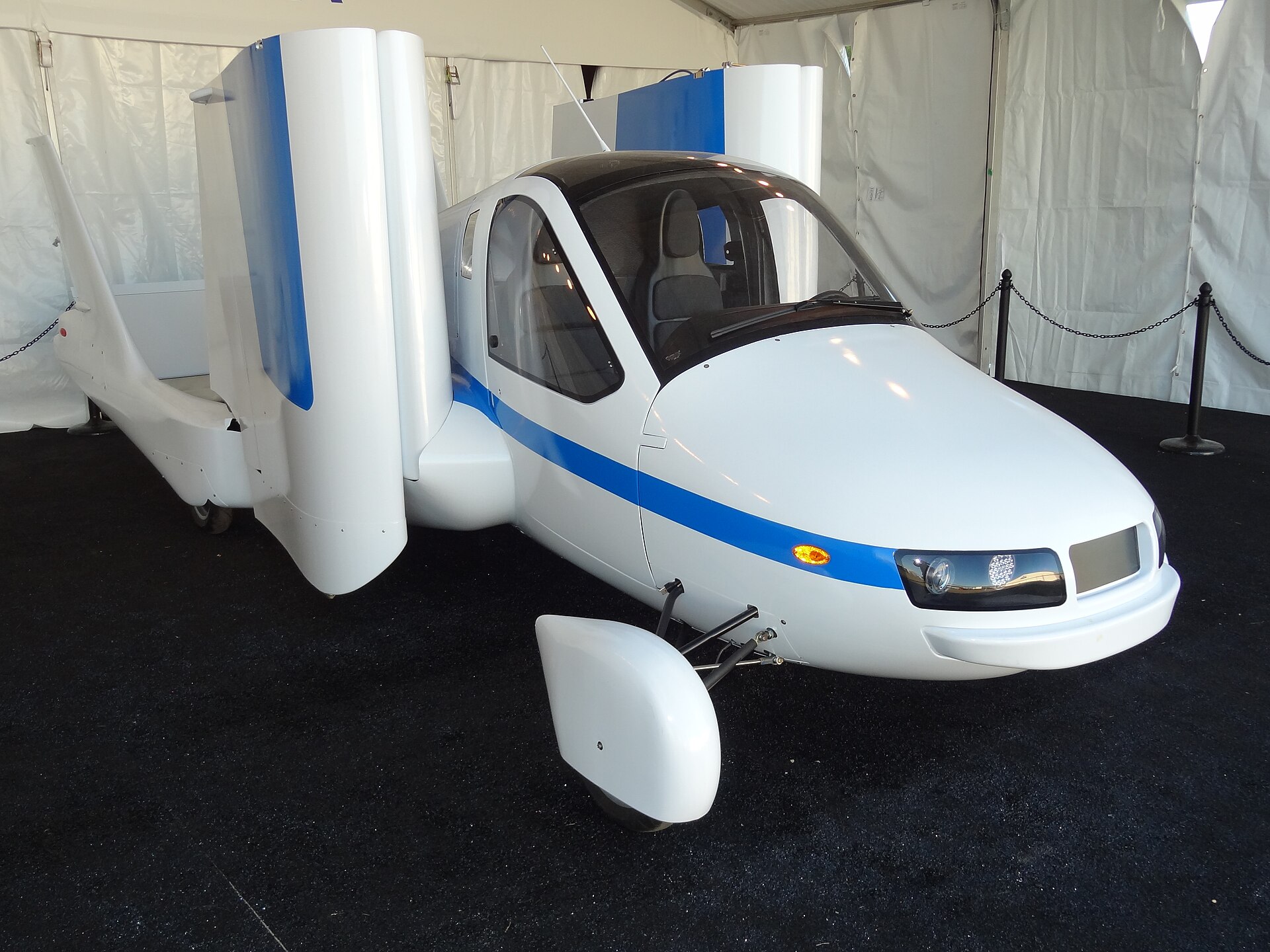
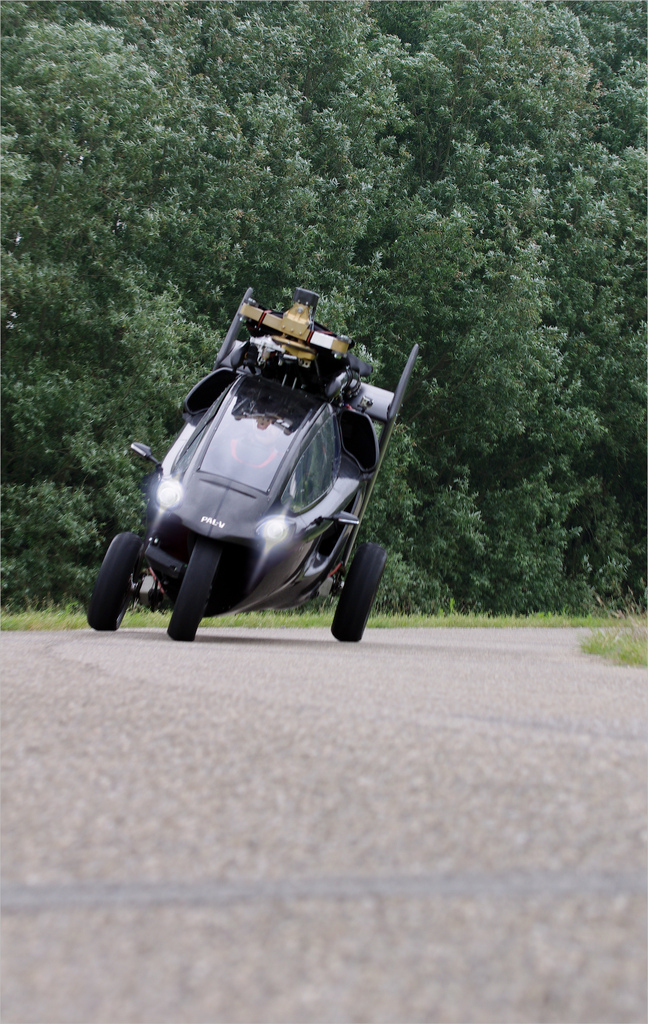
The 20th–21st century is littered with roadable concepts. A well-known modern example is Terrafugia Transition: a roadable light sport–class aircraft narrative (drive with wings folded, fly from an airport) rather than a pure multirotor eVTOL. Media cycles repeatedly announced near-term sales; reality was delays, capital stress, ownership changes, and the familiar lesson that airplane-car hybrids are niche even when they fly. PAL-V (roadable gyrocopter) and AirCar-class machines show the same dual-mode stack in different aerodynamic clothes.
Why the niche persists: You still need somewhere legal and safe to take off. Traffic jams do not vanish if your car must reach an airstrip. Compared with pure air taxis that skip the “be a good car” requirement, roadables carry two mediocre product problems instead of one sharp one.
Other names recur in enthusiast coverage (historic Aerocar, various kit and concept vehicles). Few become fleets.
A family loads luggage into a roadable aircraft in a driveway photo op. The unglamorous middle of the trip is still: drive to a suitable field, preflight, weather check, airspace — then maybe fly. The driveway was never the hard part.
Personal eVTOL and “ultralight flying car” paths
❓ Are there electric personal flyers people can actually buy or train on?
Yes — in limited forms, with careful reading of the rules.
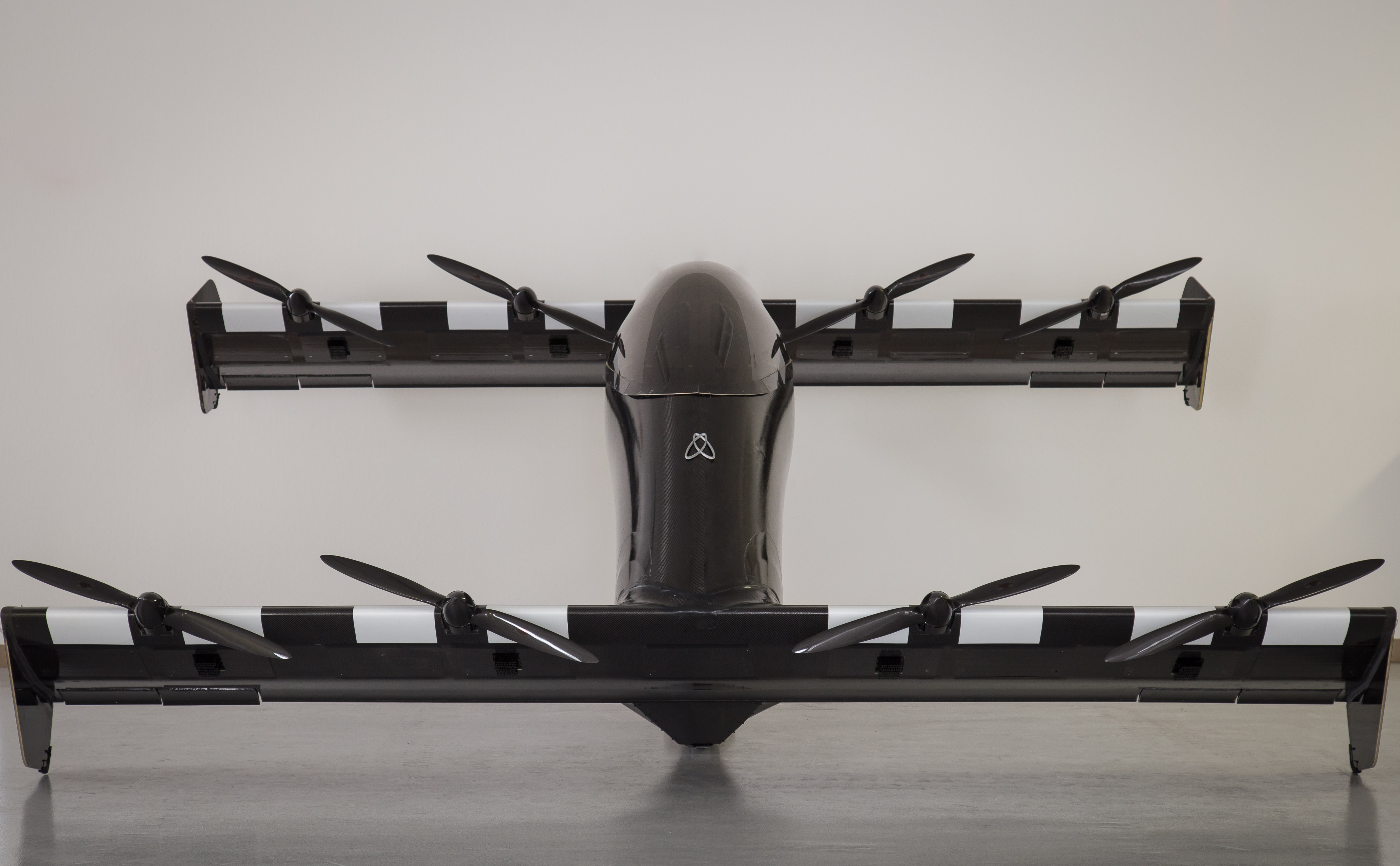
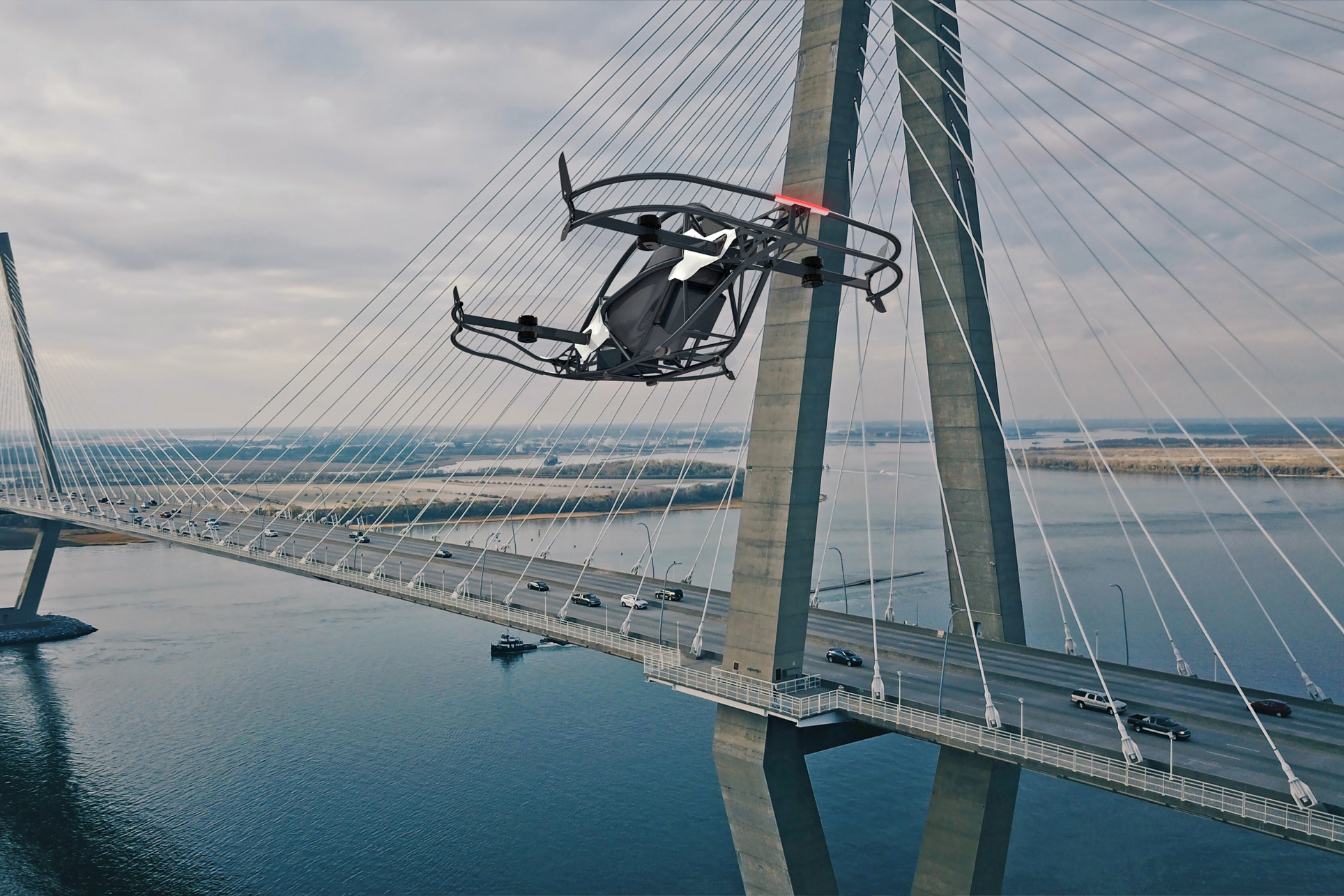
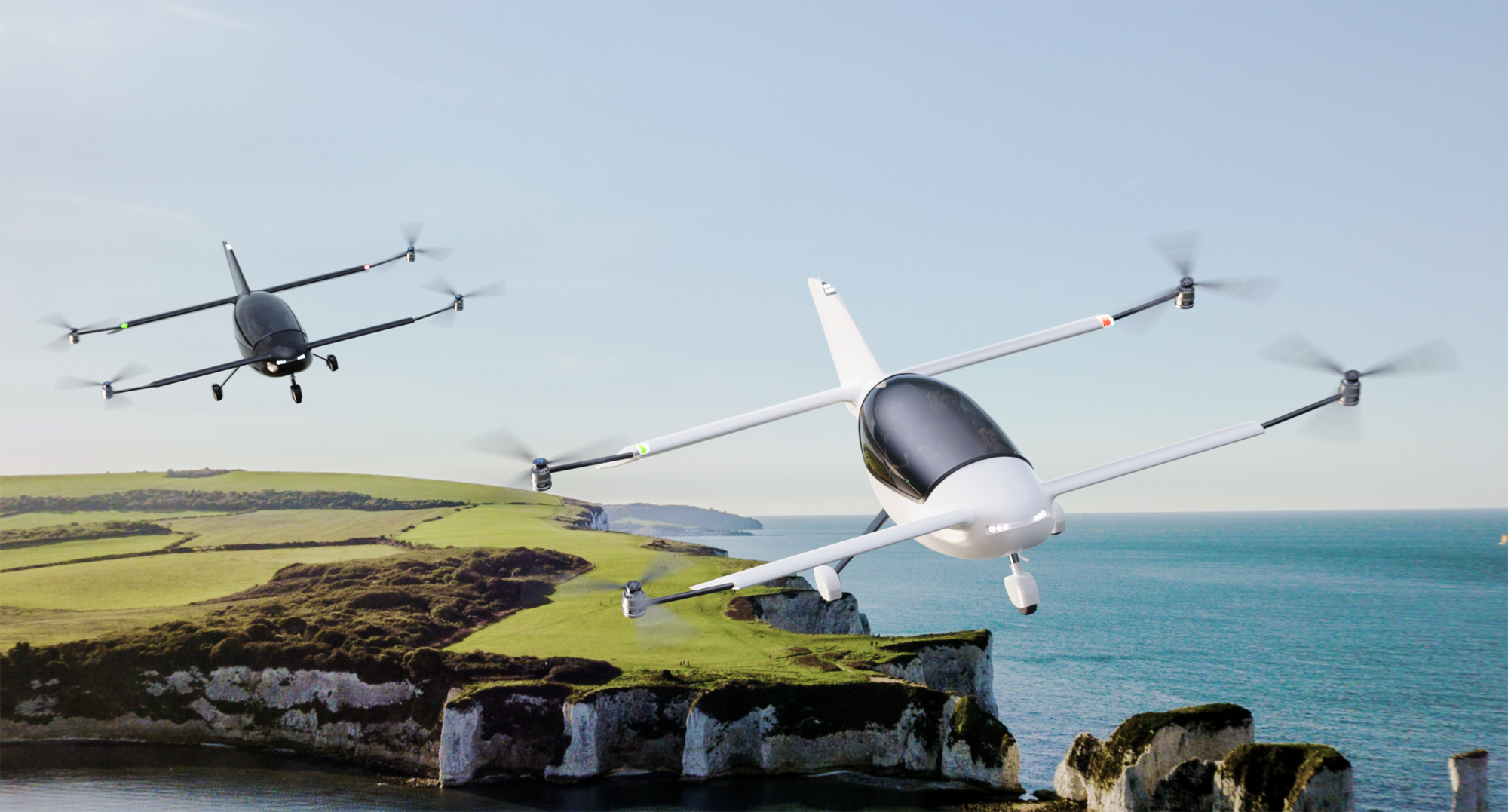
- Opener BlackFly (Ontario-origin personal eVTOL story): marketed as a simple all-electric personal flyer; U.S. narrative often stresses ultralight-adjacent mass and simplified training relative to a private pilot certificate, with short endurance (on the order of ~20 minutes class in public writeups) and prices in the high five to low six figures (e.g. ~$190k-class mentions in secondary coverage). “No license” claims are jurisdiction-specific and easy to overread.
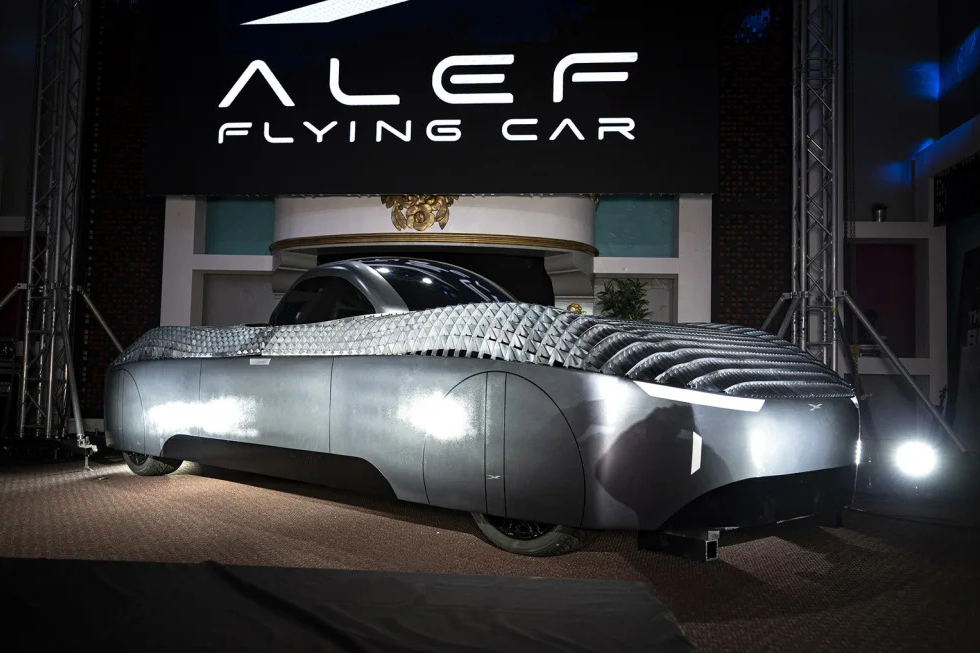
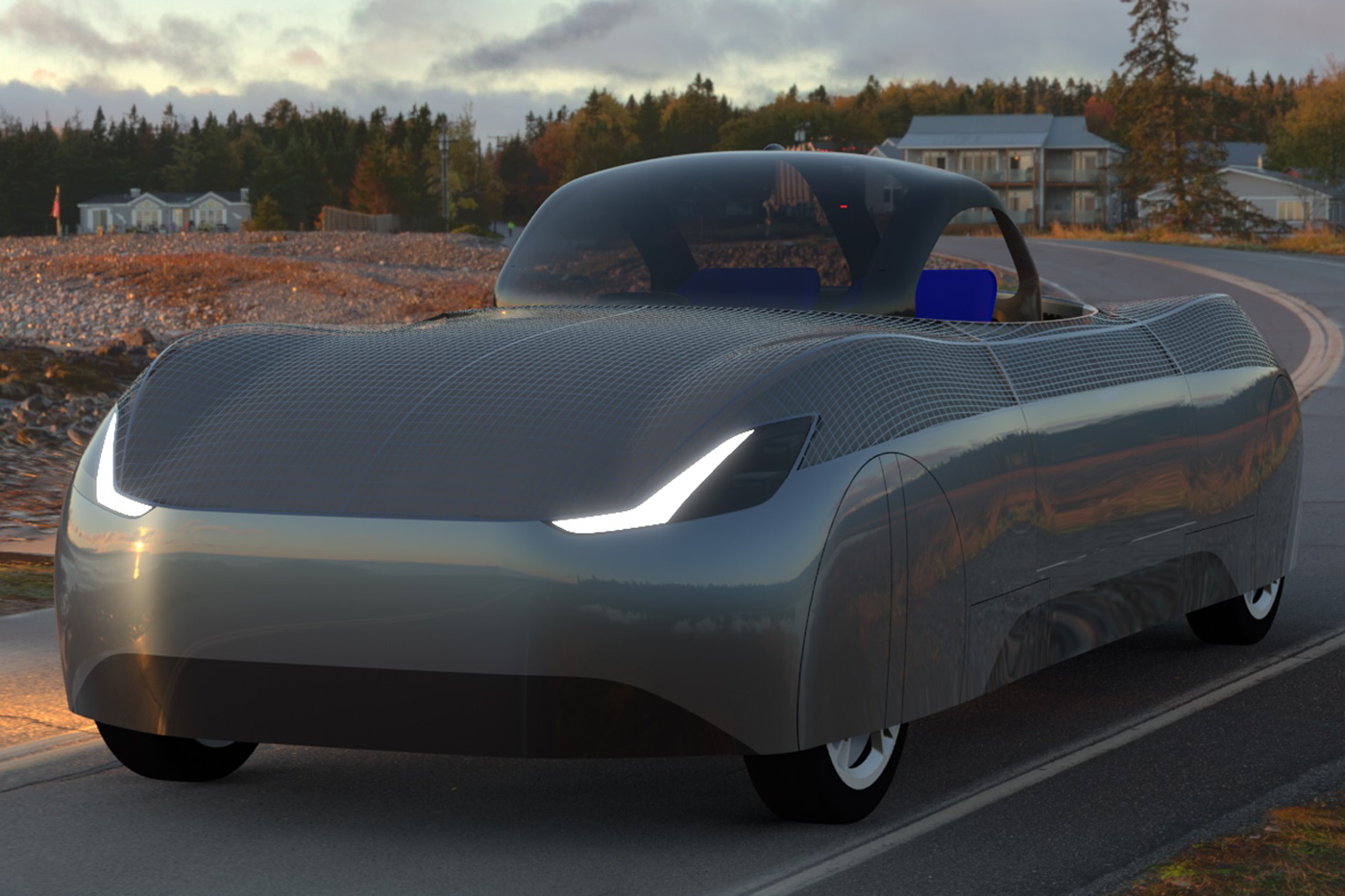
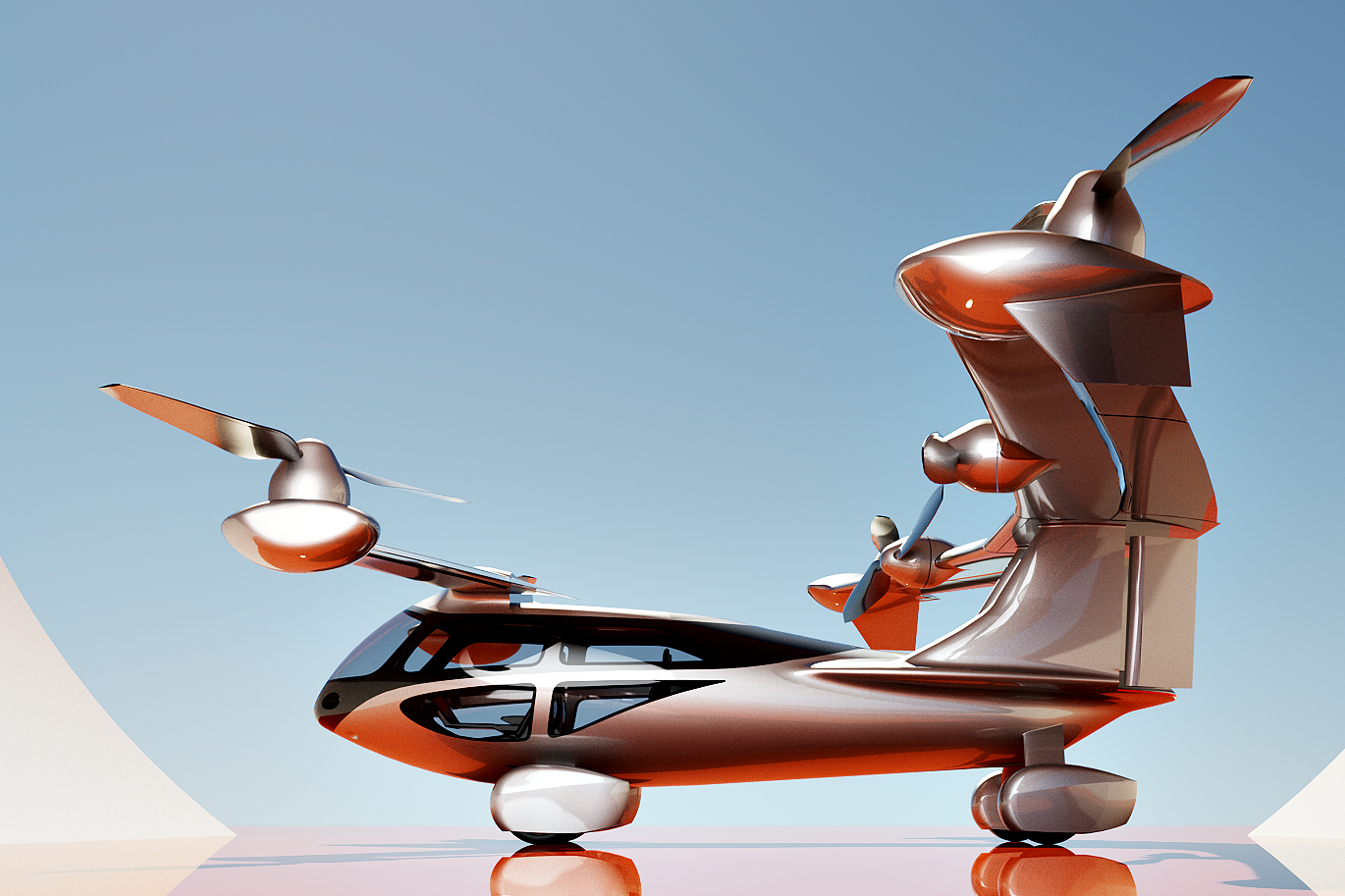
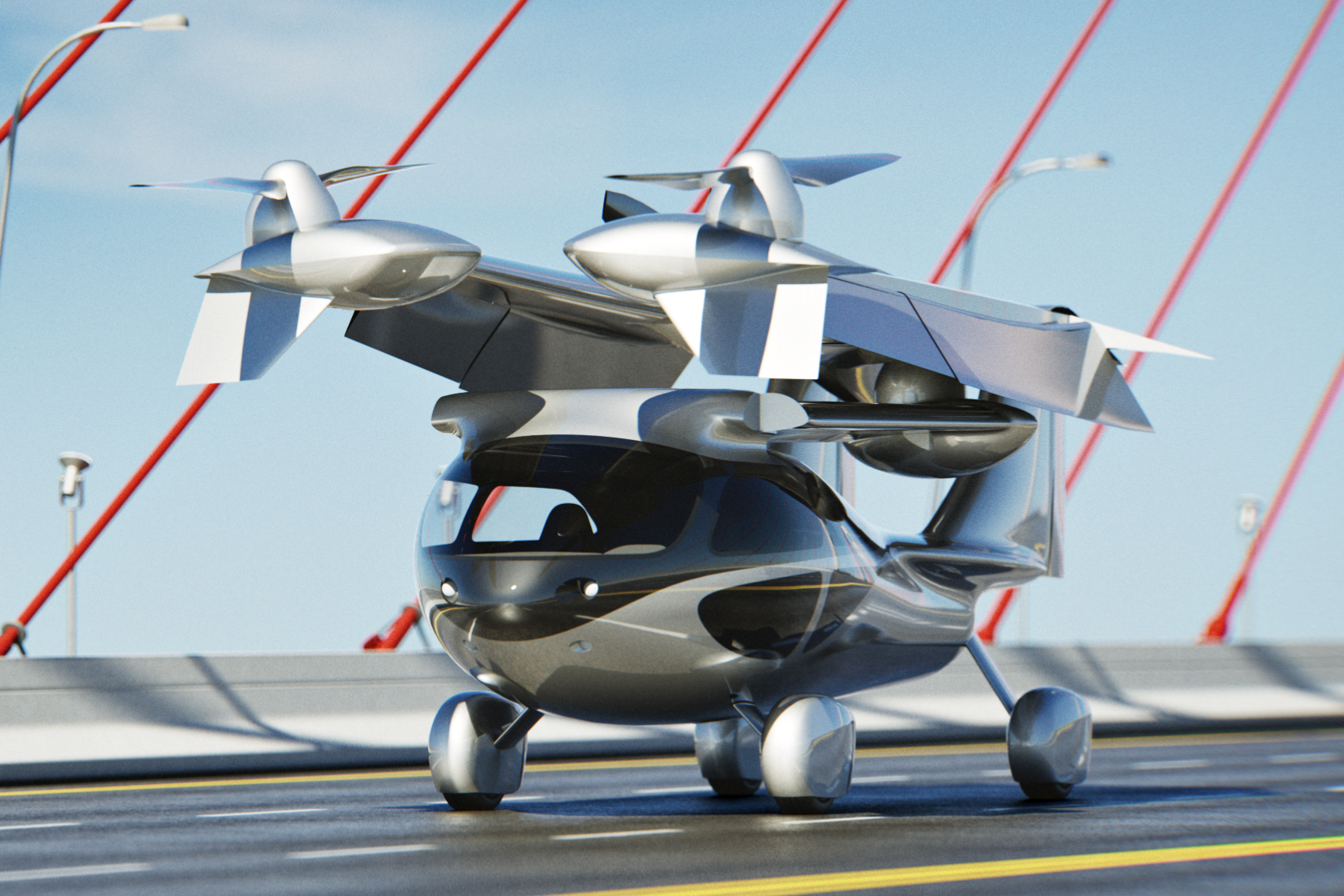
- Alef Model A: roadable eVTOL concept. Round-2 primary clarification: 2023 FAA special airworthiness (experimental category) for limited R&D/exhibition-type operations — not a production type certificate or consumer “certified flying car.” Dual road+air range claims and preorder/delivery talk remain vendor timeline until production road legality + production airworthiness coexist.
- ASKA A5: “drive and fly” hybrid VTOL marketing — SUV-sized road mode, folding/retractable wing story, VTOL and STOL options, claimed flight range up to ~250 miles with hybrid charging assist in company materials, speed claims ~150 mph class, CES/demo presence, 2026-oriented commercial narratives and refundable deposits historically. Hybrid power is the tell: pure batteries struggle with car mass × range.
- Jetson ONE / Skyfly Axe class: single- or dual-seat personal electric flyers and “hoverbike” form factors — closer to extreme sports / PAV than to a street-legal car.
These are PTC-level bets, not proof that the category has product-market fit. Full dual-mode certificate falsifier and delivery economics: 10-follow-up-deep-dives. Full product stills: drone-photos/gallery.
Air taxis stole the serious money
❓ Why do investors talk more about Joby than about garage flying cars?
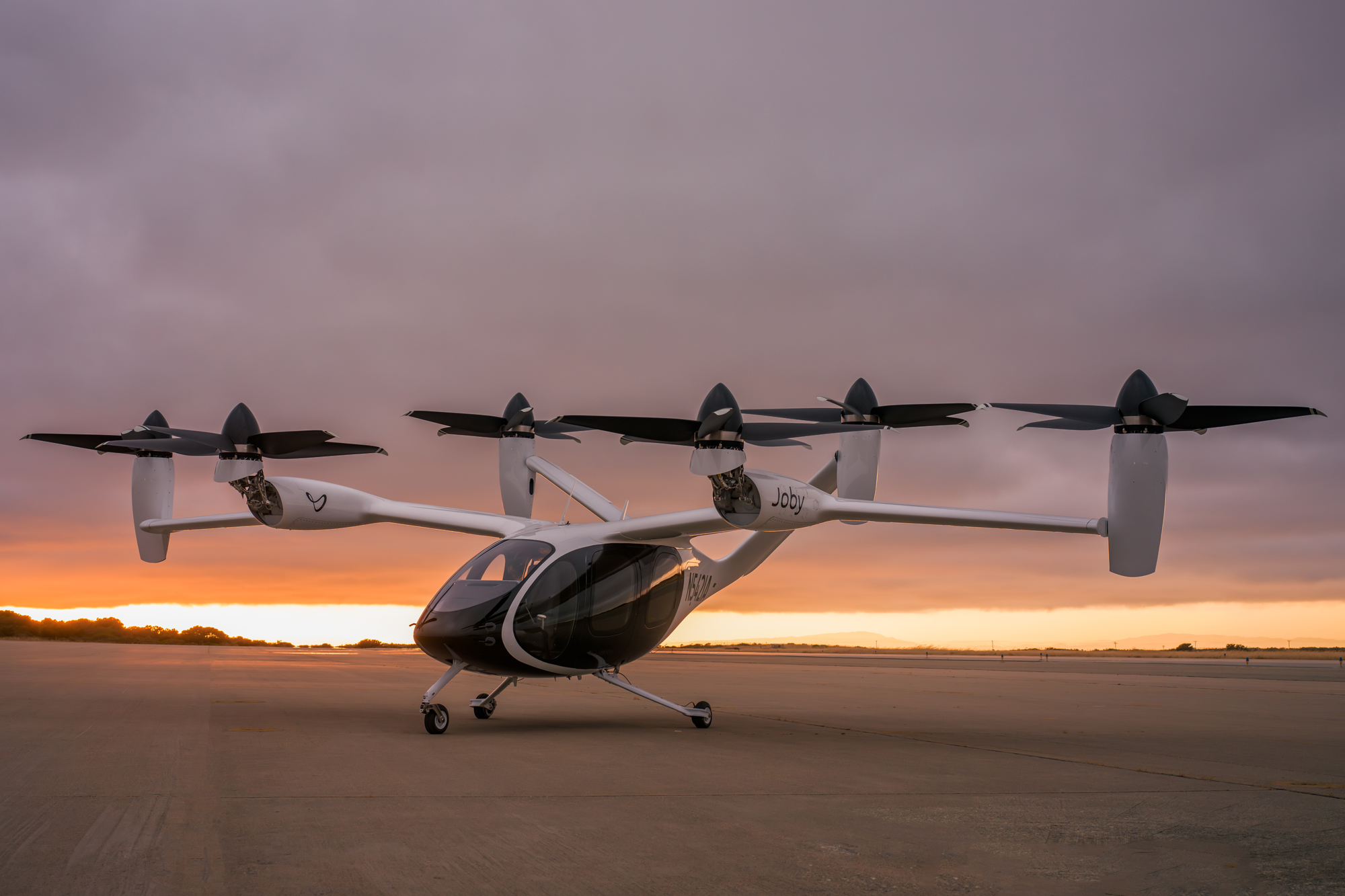
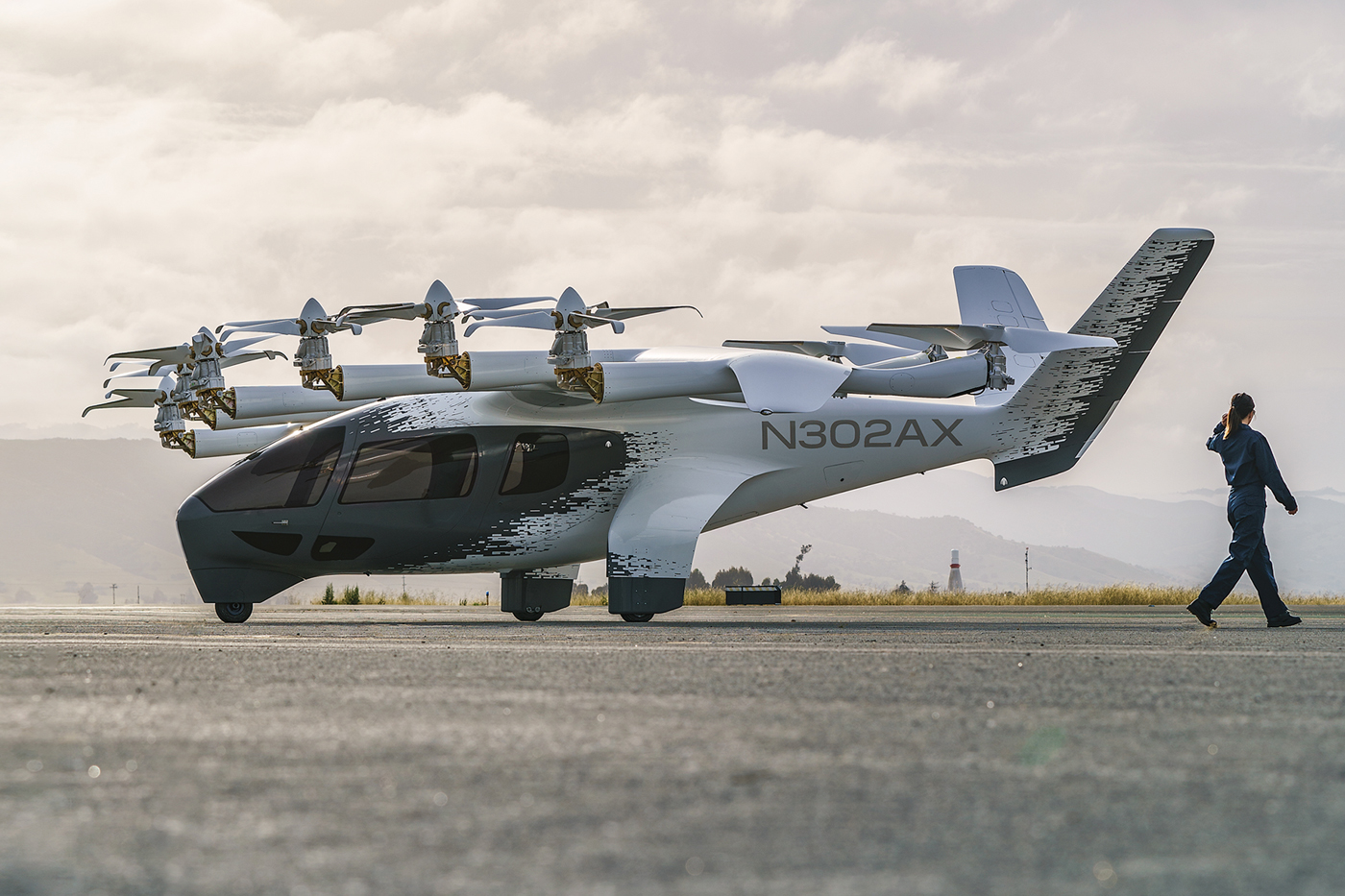
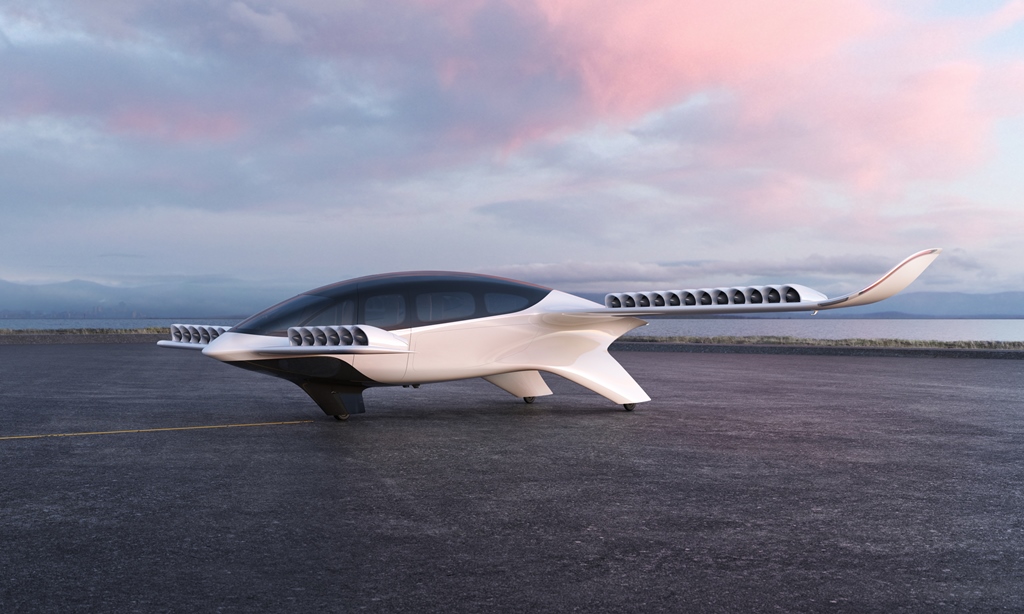
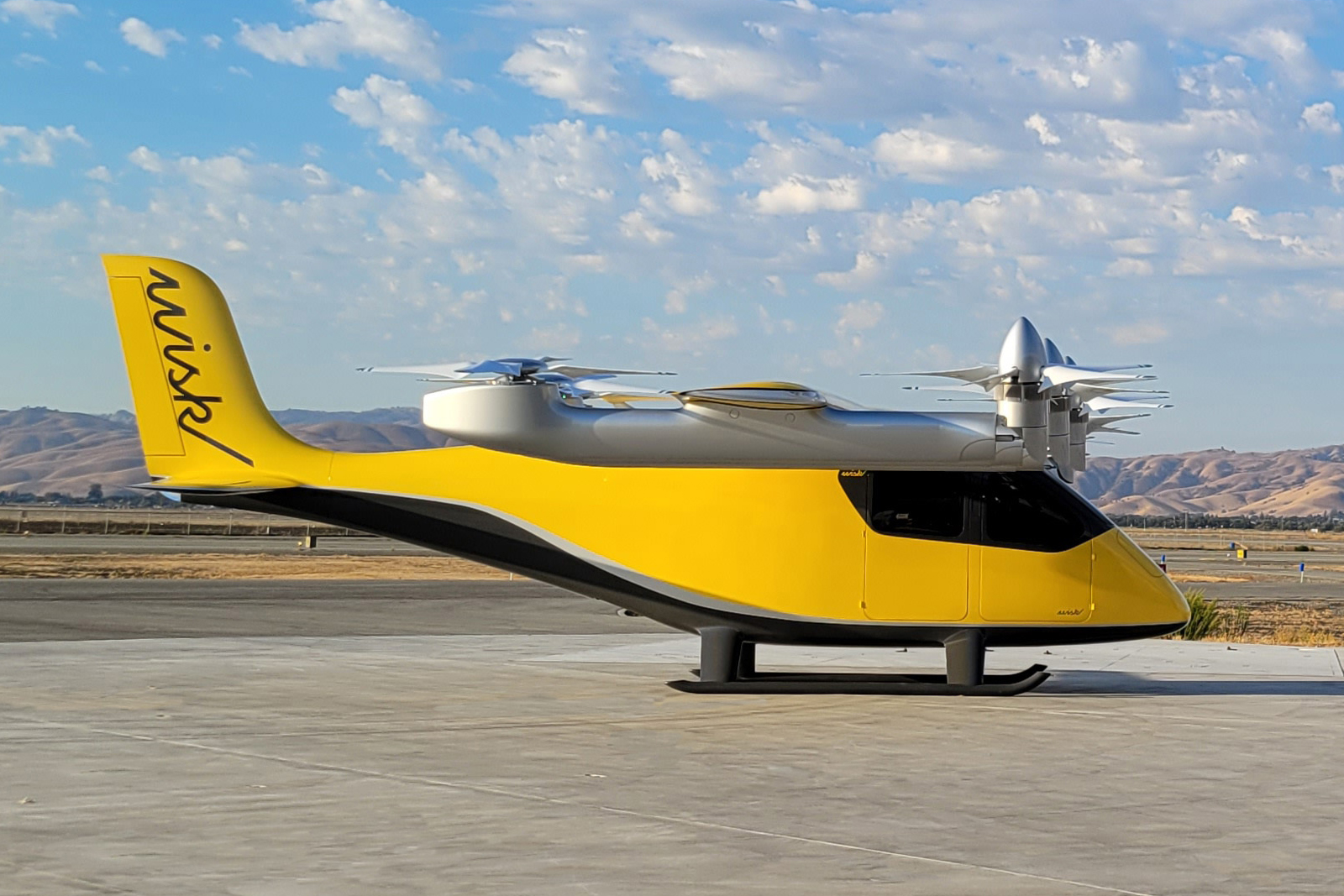
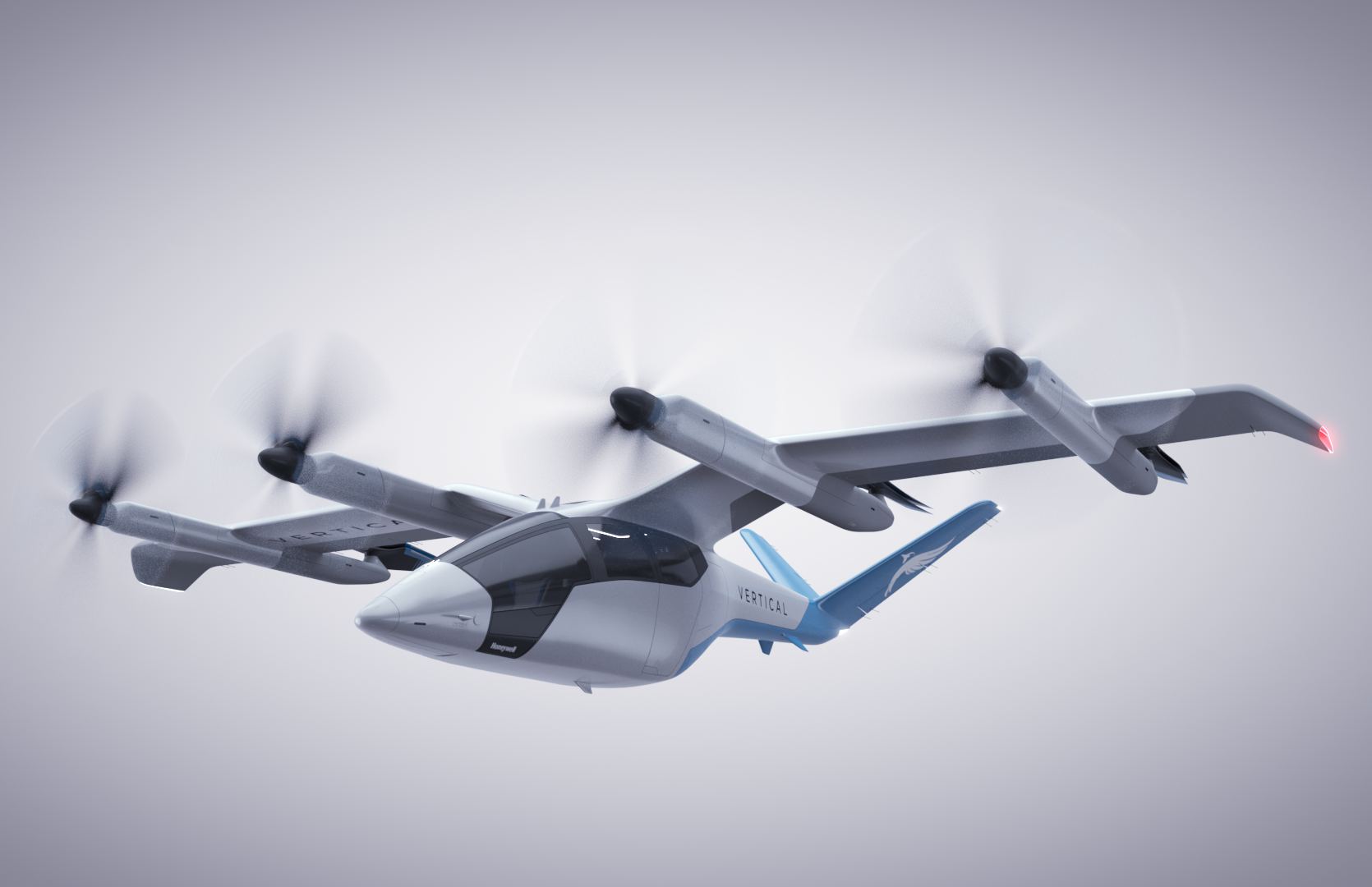
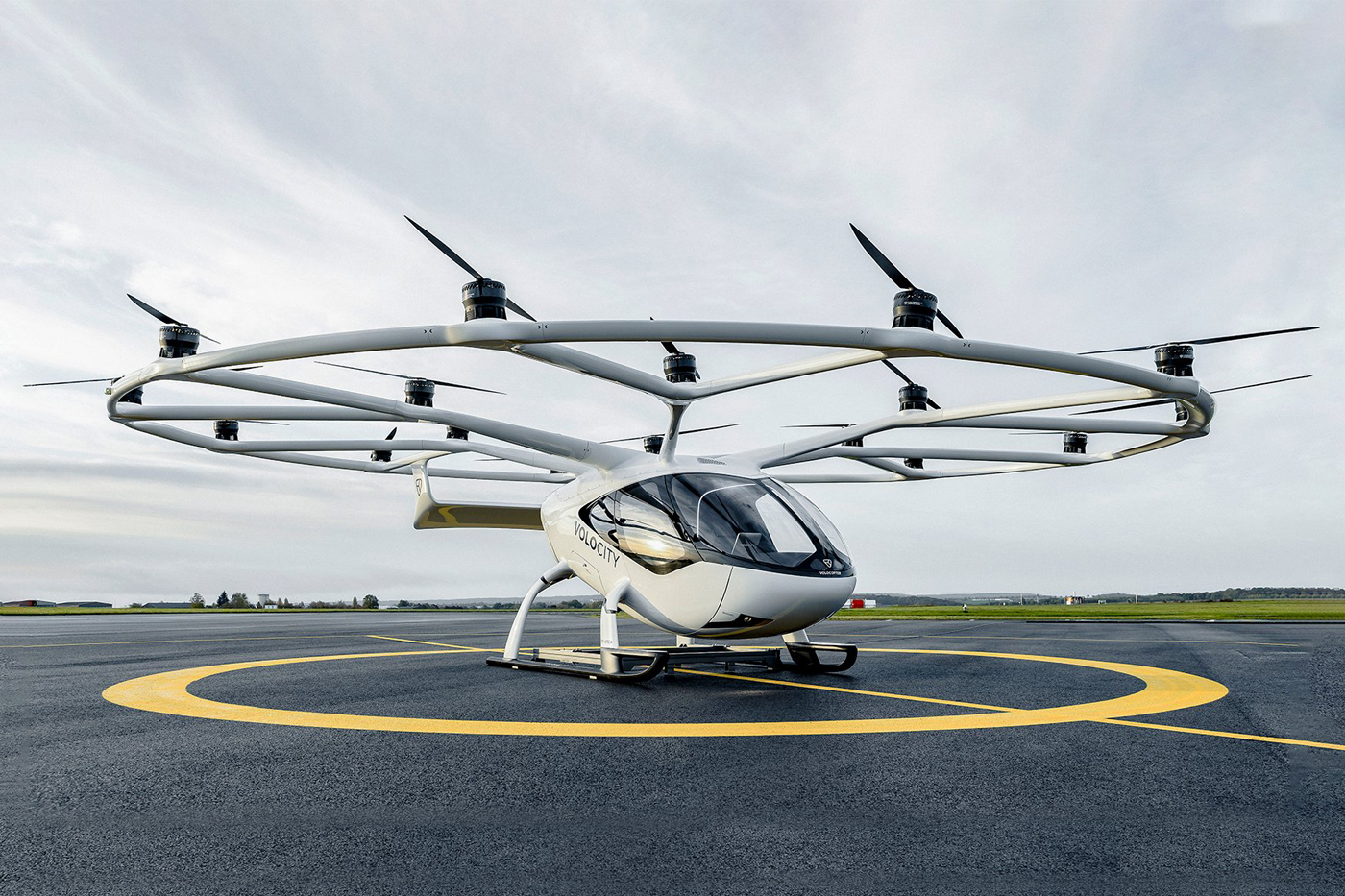
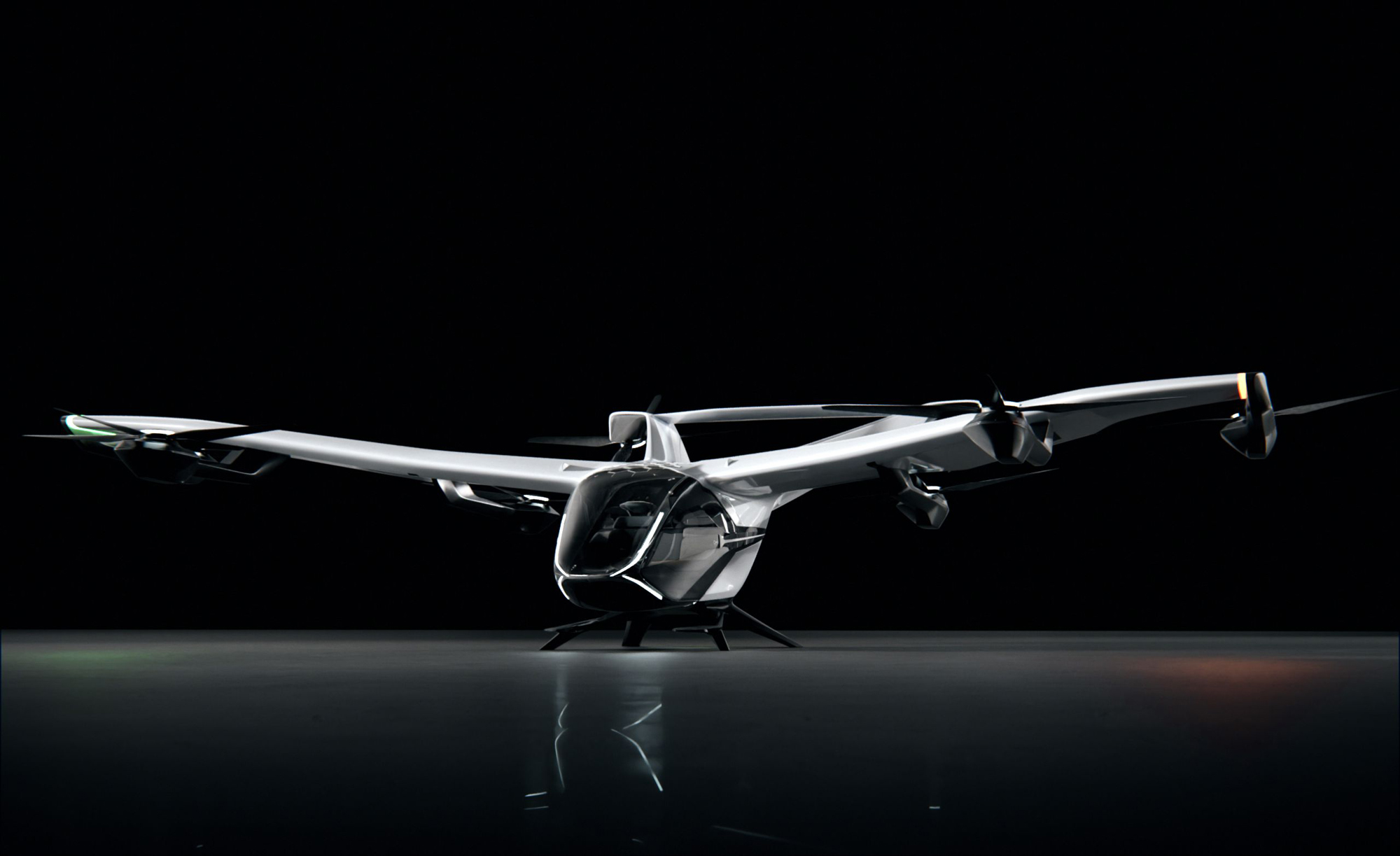
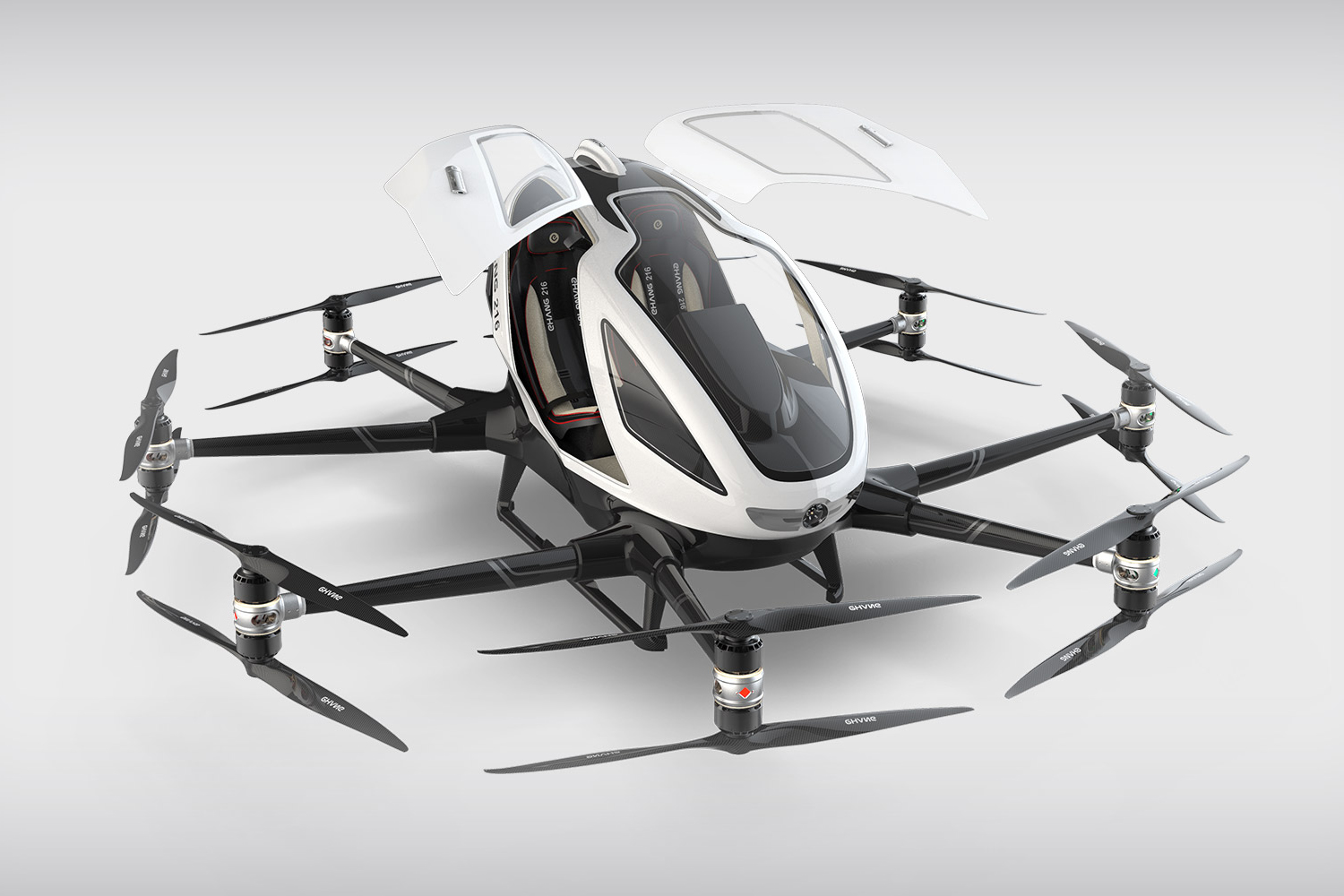
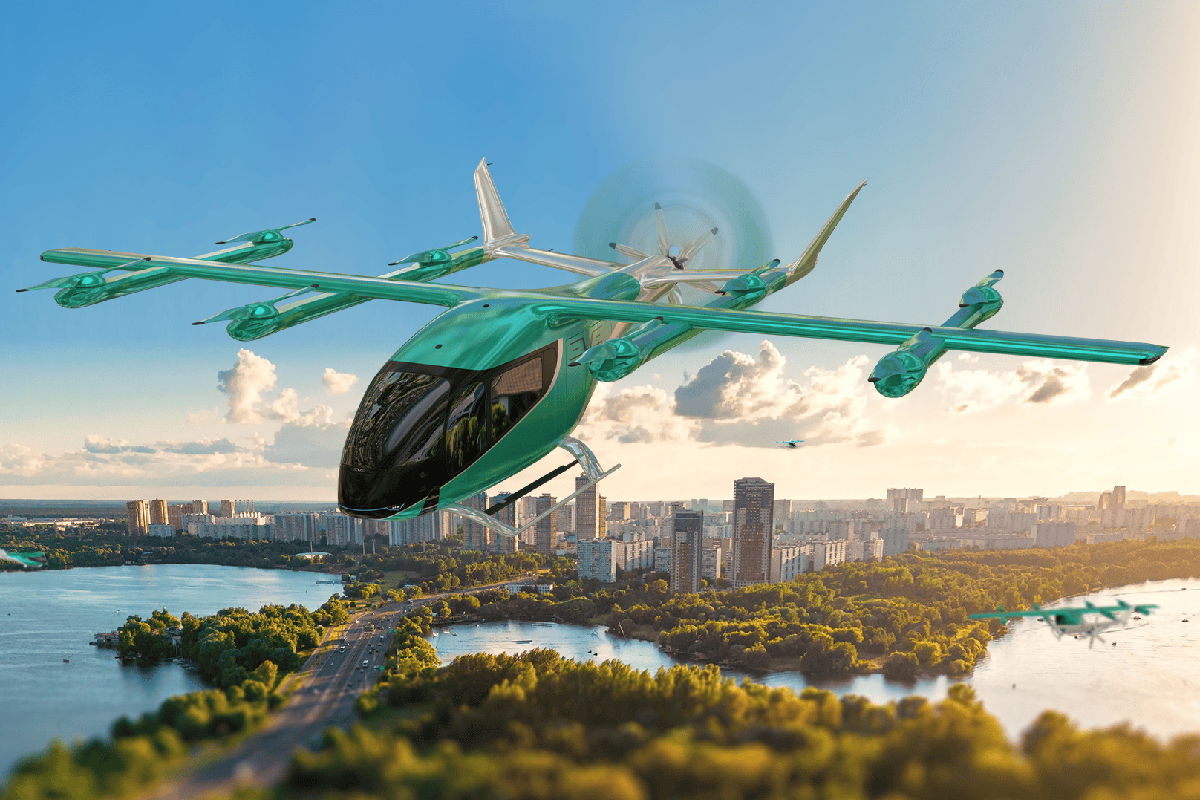
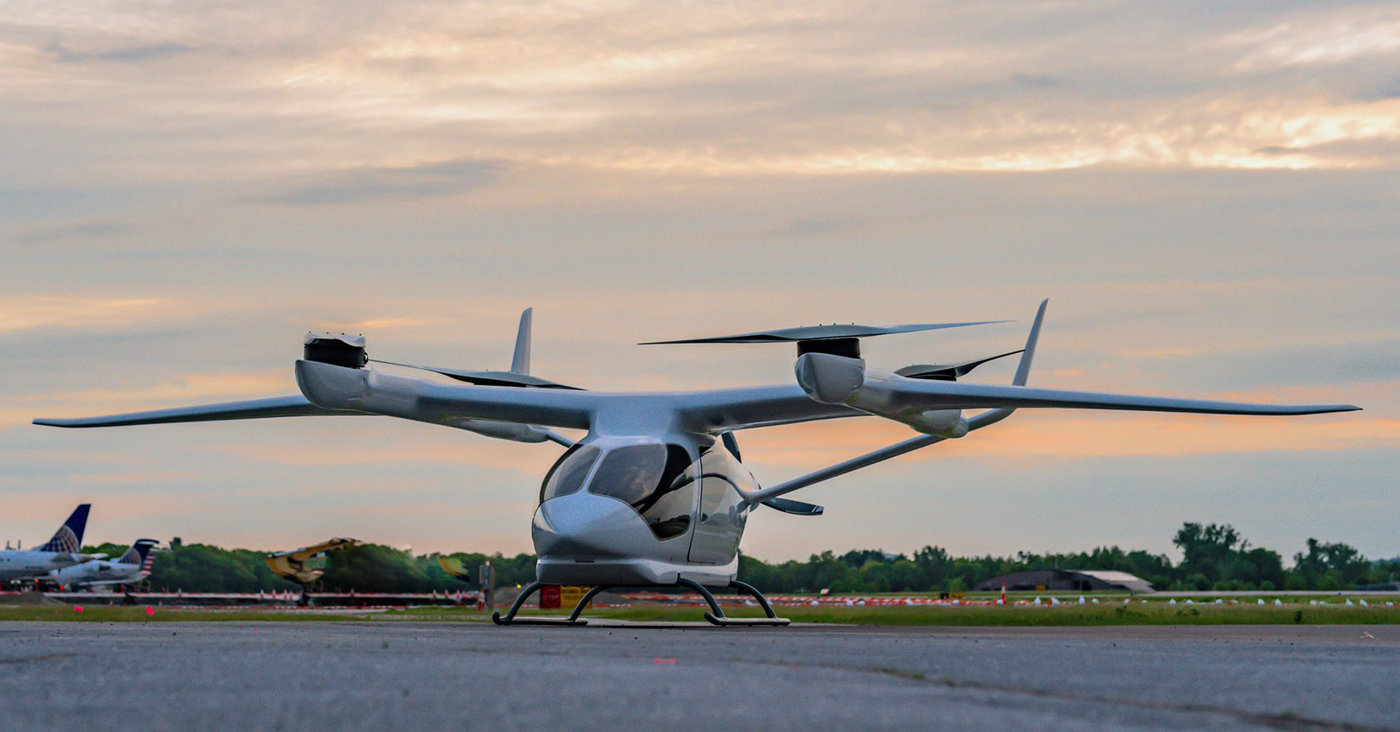
Because fleet utilization beats private utilization on paper. An air taxi that flies many short hops per day spreads pilot (or autonomy), maintenance, and certification cost across tickets. A personal flying car that flies twice a month is a luxury boat with rotors.
Consequence: The credible near-term “we were promised flying cars” fulfillment is more likely you summon a ride that leaves the ground than you own a dual-mode vehicle. That is psychologically a taxi, economically a network business, regulatorily powered-lift transport — and only loosely a “car.”
How flying cars relate to drones
❓ Is a flying car just a big drone with seats?
Shared DNA:
- Electric motors, distributed propulsion, flight computers, sensors
- eVTOL lift physics and battery limits
- Autonomy and detect-and-avoid research borrowed from UAS and self-driving stacks
Hard differences:
| Axis | Typical drone / small UAS | Flying car / PAV / air taxi |
|---|---|---|
| People onboard | No | Yes (except unmanned cargo eVTOL) |
| Safety target | Property + bystander risk | Occupant + bystander + airline-like residual risk for commercial |
| Road mode | Rare | Required only for true roadables |
| Unit price | $10²–$10⁵ | $10⁵–$10⁶+ |
| Ops model | Pilot hobby, enterprise fleet, military | Private owner, ultralight niche, or commercial AAM |
So: same EmTech parents, different LAC (personal dual-mode mobility vs uncrewed sensing/logistics vs commercial AAM).
What would have to be true for flying cars to matter
❓ What milestones would make dual-mode or personal eVTOL more than a curiosity?
- Pack energy + efficient cruise so useful stage length exceeds “across town if the wind is kind.”
- Autonomy good enough that average drivers are not amateur pilots (or a huge training industry appears).
- Noise and community acceptance paths — without this, denser suburbs veto the product.
- Clear dual-certification playbooks (or abandonment of road mode in favor of pad-to-pad).
- Insurance and maintenance networks as boring as auto shops.
- Airspace integration with drones and conventional aviation so near-midair collisions are not a daily headline.
Until several of these move together, expect impressive demos and thin fleets, not jetsons traffic.
Contrarian take
❓ What if flying cars are a bad idea that keeps getting funded anyway?
A strong skeptic line (long-running in aviation commentary): the optimal transport stack is good ground EVs + rail + occasional helicopters/air taxis for premium routes, not millions of private rotorcraft. Weather, icing, birds, wires, drunk operators, and kinetic energy over playgrounds do not care about crowdfunding videos. Roadable designs often become compromised airplanes that are also compromised cars.
That critique does not make every eVTOL worthless — commercial corridors can still work — but it attacks the everyone owns one fantasy.
Practical takeaway
Reserve “flying car” for dual-mode road+air claims. Use personal eVTOL or air taxi when that is what you mean. The drone and eVTOL revolutions are real; the driveway-to-sky consumer appliance remains mostly promise + prototype + special certificate, while the money and certification depth concentrate on networked aerial rides and uncrewed drones that never needed cup holders.