Last updated: 2026-07-23
08 — State of the art with examples
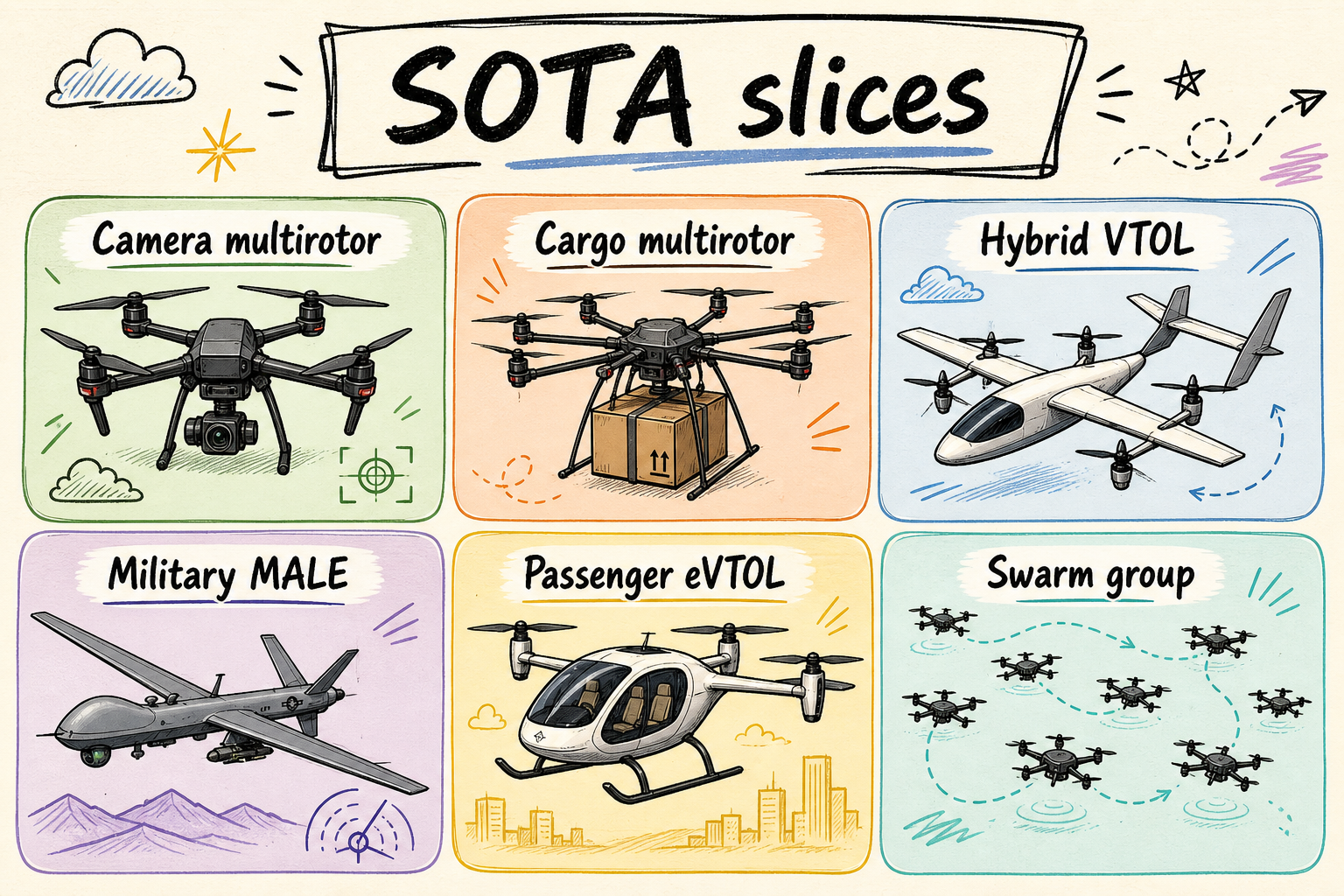
How to read “state of the art” in 2026
❓ What does best-in-class mean when drones span toys and weapons?
There is no single SOTA drone. There are SOTA slices: consumer imaging, enterprise inspection, logistics lift, long-endurance cargo VTOL, military MALE, attritable FPV, passenger eVTOL, and swarm orchestration. Below are representative systems widely cited in open sources as of mid-2026. Specs are order-of-magnitude / vendor-public and vary by configuration.
Class stills (generic shapes) live in drone-photos/01–06…png. Named product photos of flying cars / eVTOLs / personal flyers live in drone-photos/by-craft/ — Joby, Archer, Alef, ASKA, BlackFly, Terrafugia, PAL-V, Lilium, Wisk, Vertical, Jetson, EHang, Volocopter, CityAirbus, Eve, Beta, AutoFlight, and more. Conceptual illustrations live in illustrations/.
Consumer and prosumer imaging — DJI class
❓ What can a “normal” high-end camera drone do now?
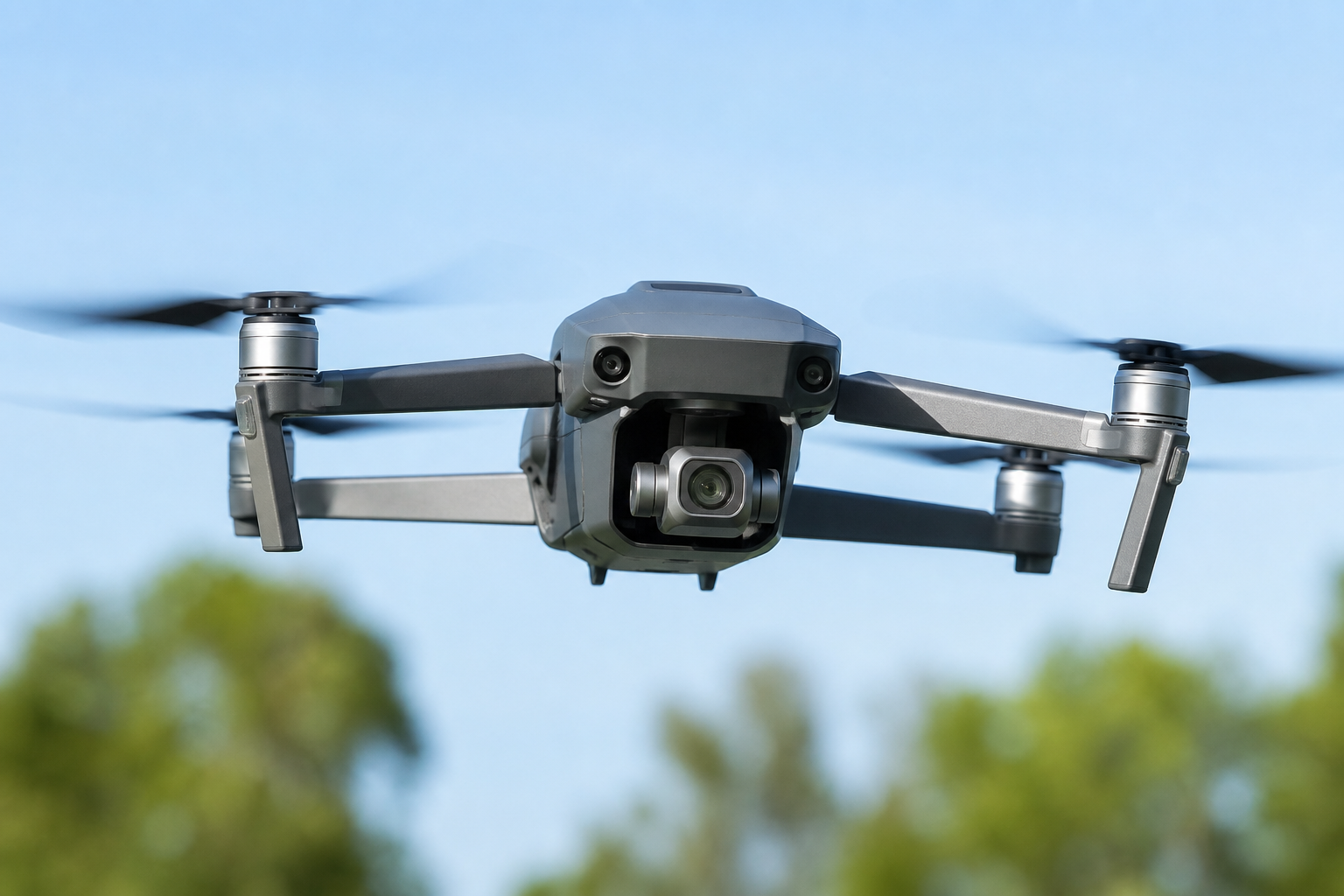
Example family: DJI Mini / Air / Mavic lines (e.g. Mini-class under many regions’ 250 g rules; Mavic Pro-class as flagship creators’ tools).
Why SOTA here: integrated gimbal cameras, obstacle sensing, polished app UX, global service ecosystem. Mid-2026 retail spans roughly ~$200–$2,200+ depending on kit. Capabilities that once needed a film helicopter unit — smooth aerials, tracking shots, HDR video — fit in a backpack.
Limits: flight time still tens of minutes; wind and rain; regulatory ceilings; security politics around Chinese OEMs in some countries.
Logistics multirotor — heavy short-hop
❓ What is state of the art for carrying boxes without a runway?
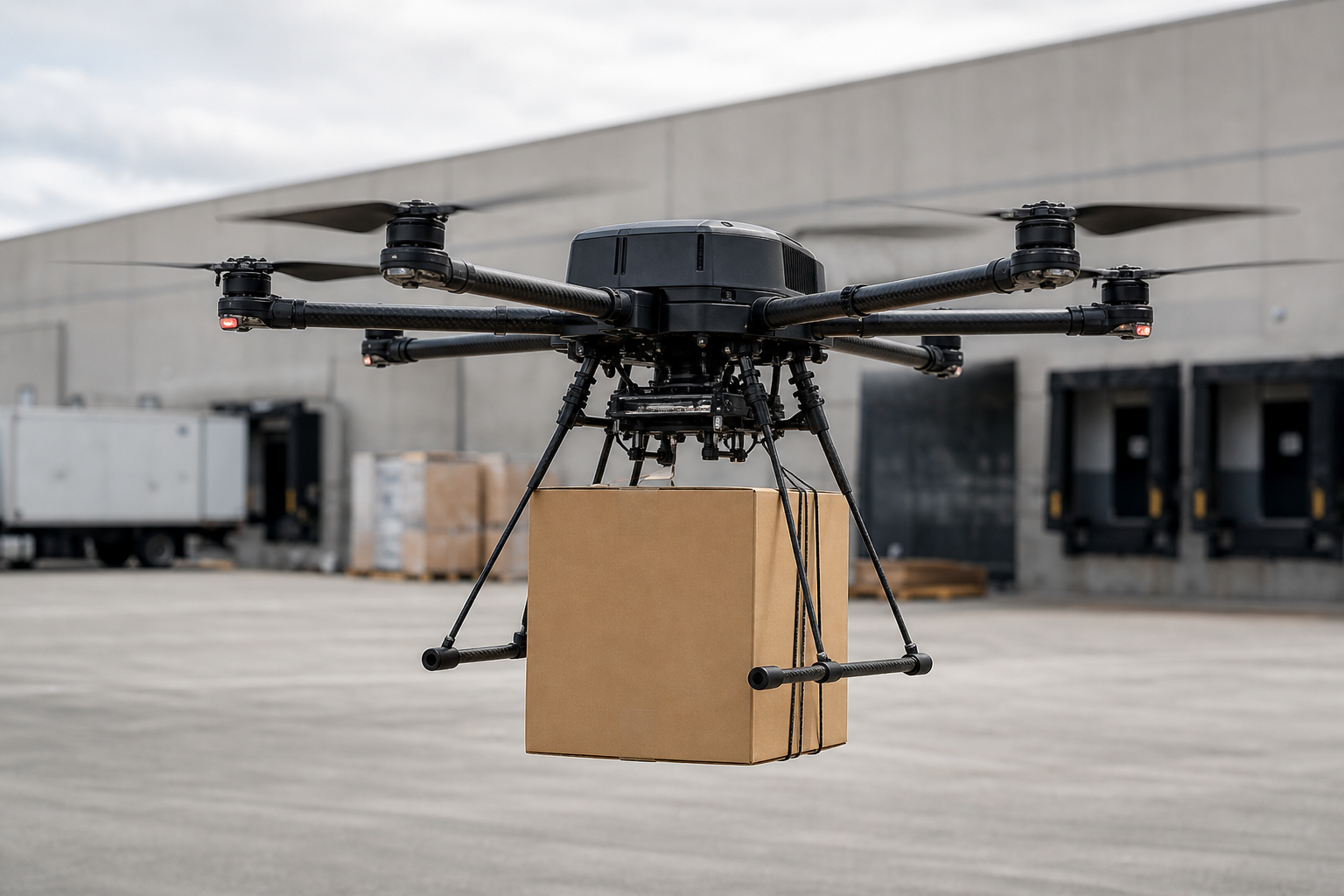
Example: DJI FlyCart 30 class — public third-party summaries ~30 kg payload, ~18 minutes class endurance loaded, tens of km/h cruise, roughly mid five-figure USD hardware depending on package. Aimed at last-mile and industrial supply where roads are slow and distances short.
Why it matters: proves multirotor logistics past grocery-gram gimmicks into real mass — still energy-bound.
Long-endurance hybrid VTOL cargo
❓ What if you need hours, not minutes?
Example class: hybrid VTOL UAVs such as JOUAV CW-80E-type platforms advertised with tens of kg payload, multi-hour endurance, and 100–200+ km class mission radii (vendor claims; mission profiles vary). These take off like a multirotor/VTOL then cruise on wings.
Why SOTA: architecture, not magic batteries — the right answer to range.
Military MALE / armed ISR
❓ What remains the high-end persistent military eye?
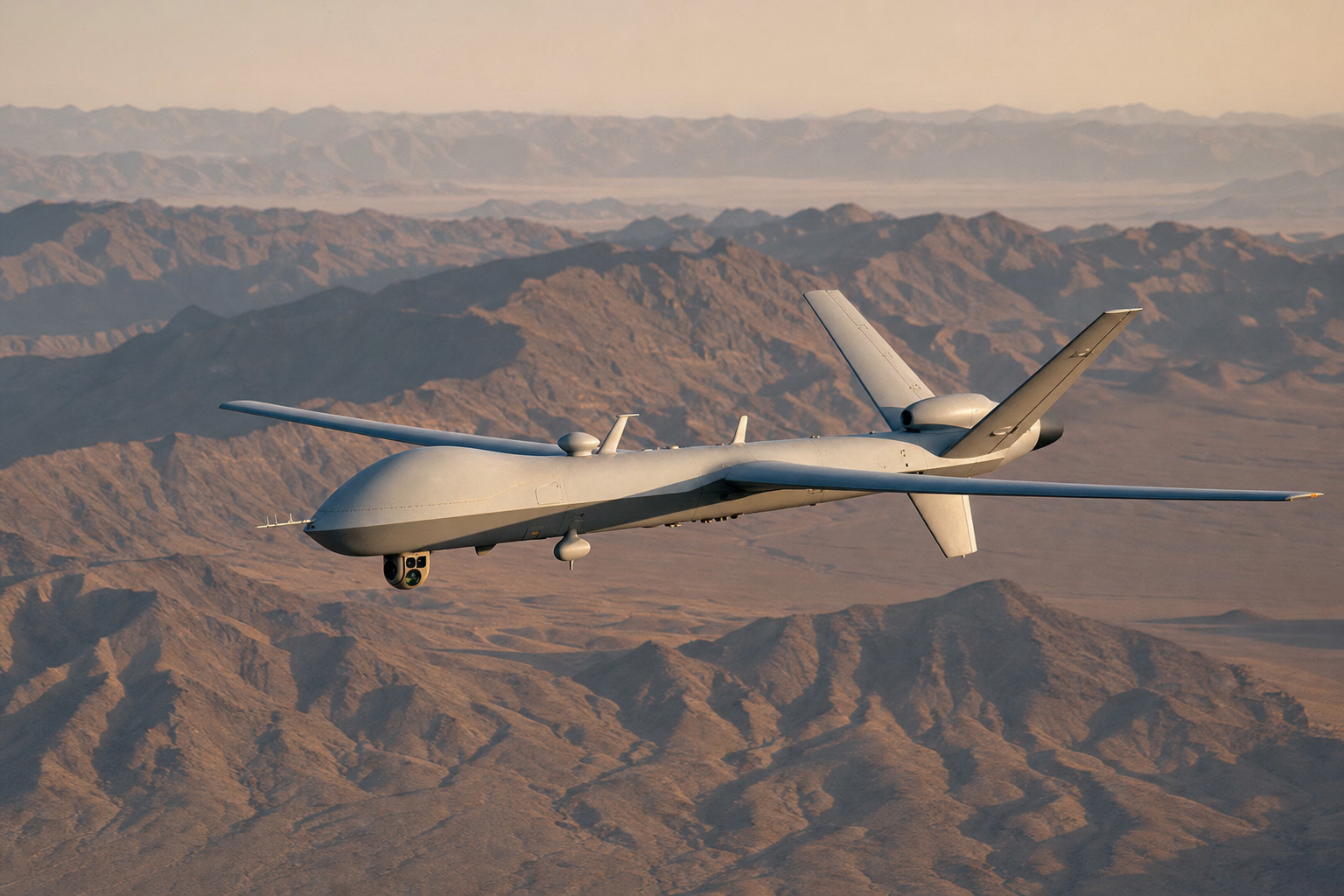
Example: General Atomics MQ-9 Reaper family — turboprop, long endurance, satellite control, multi-sensor and strike configurations. Still a reference for persistent armed ISR even as cheap drones rewrite tactical layers.
Complementary SOTA: mass FPV and one-way attack UAVs in Ukraine-style warfare — low cost, high iteration, brutal EW environment. “Best” means best for doctrine and industrial base, not highest sticker price.
Passenger eVTOL — certification frontier
❓ Who leads the air-taxi hardware race in public view?
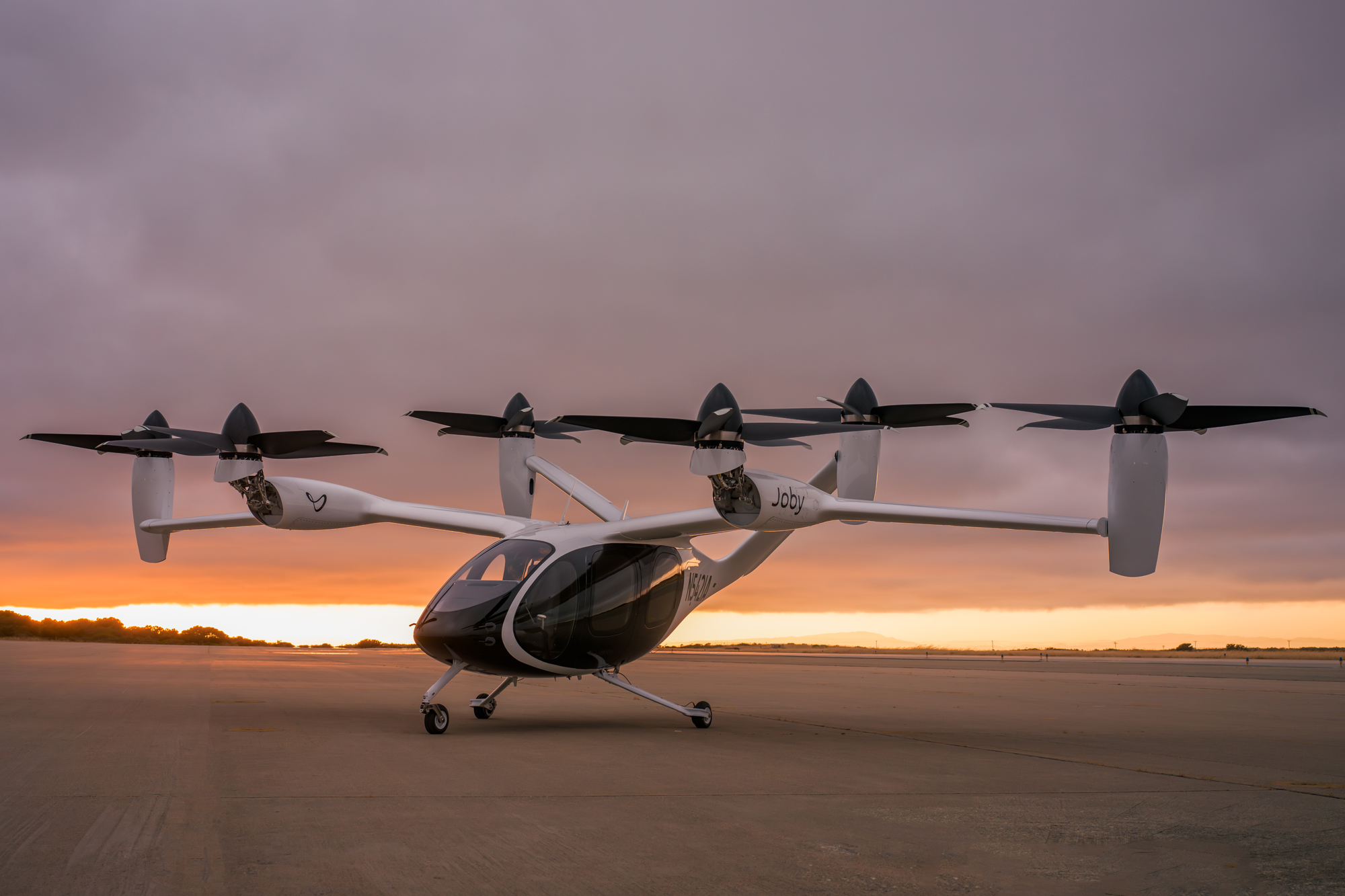
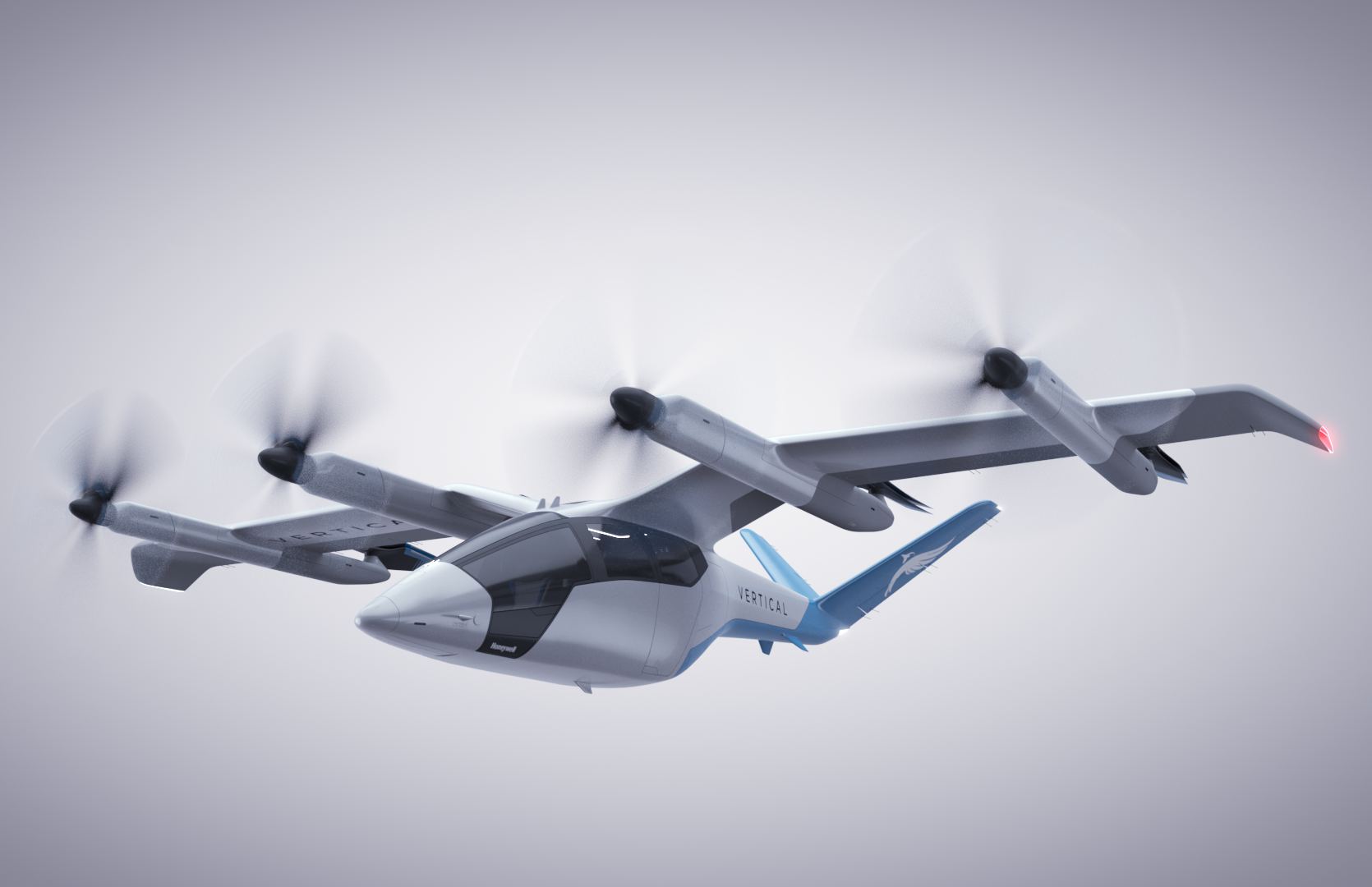
Joby Aviation S4 — company-primary milestones: power-on of first FAA-conforming TIA aircraft (Nov 2025); first conforming TIA aircraft in flight 11 Mar 2026 (N547JX), with FAA pilot for-credit TIA expected later in 2026. Public performance narratives still center ~150 mile range class and ~200 mph cruise class for multi-seat tilt designs. TIA flying ≠ type certificate in passenger service ≠ city network.
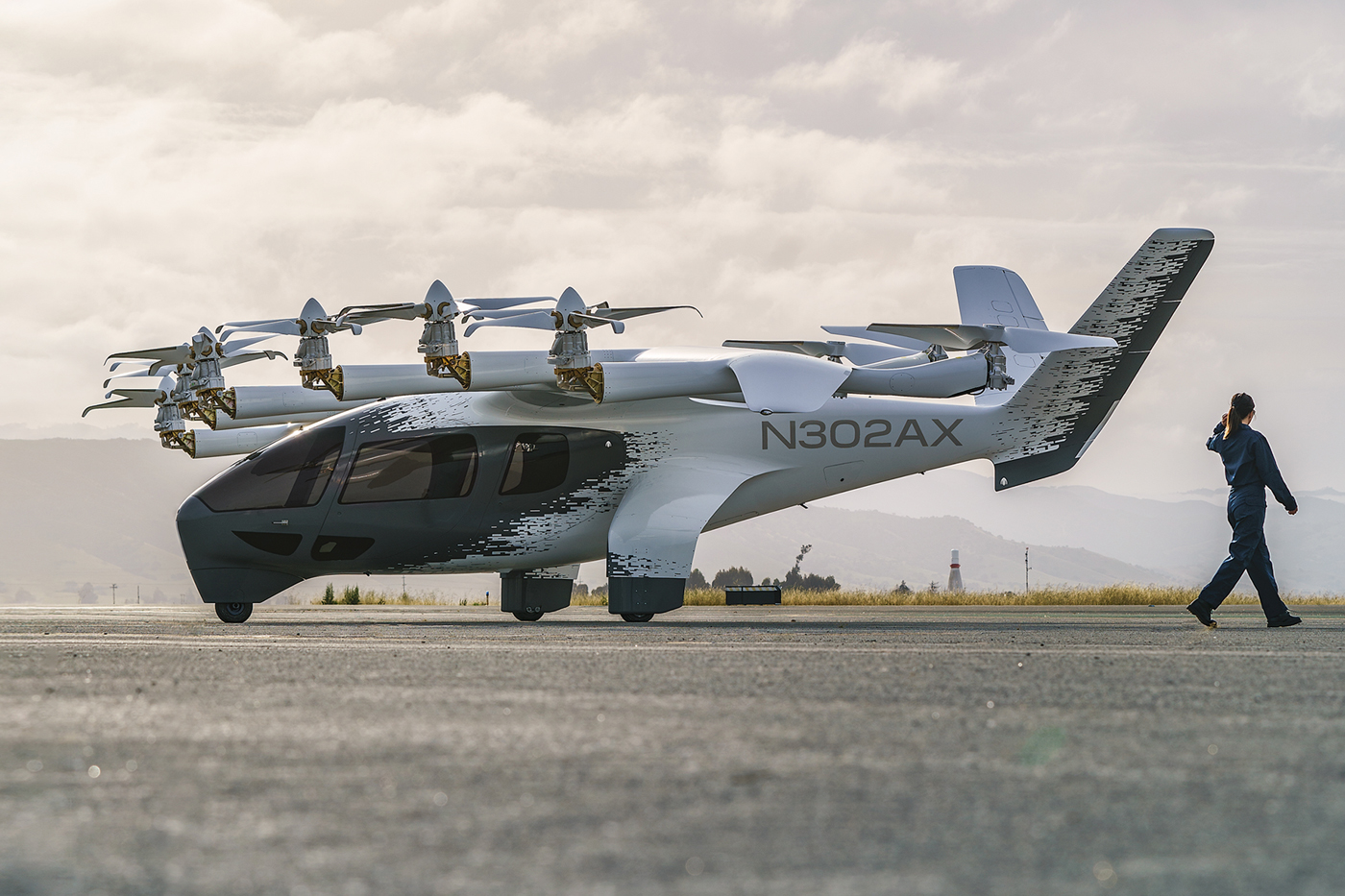
Archer Midnight — short urban hop optimization (quick turn / charge story), Olympics-related public positioning, certification behind or beside Joby depending on metric (aircraft test depth vs operational certificates — analysts split hairs). Always prefer each OEM’s primary releases over scoreboard blogs.
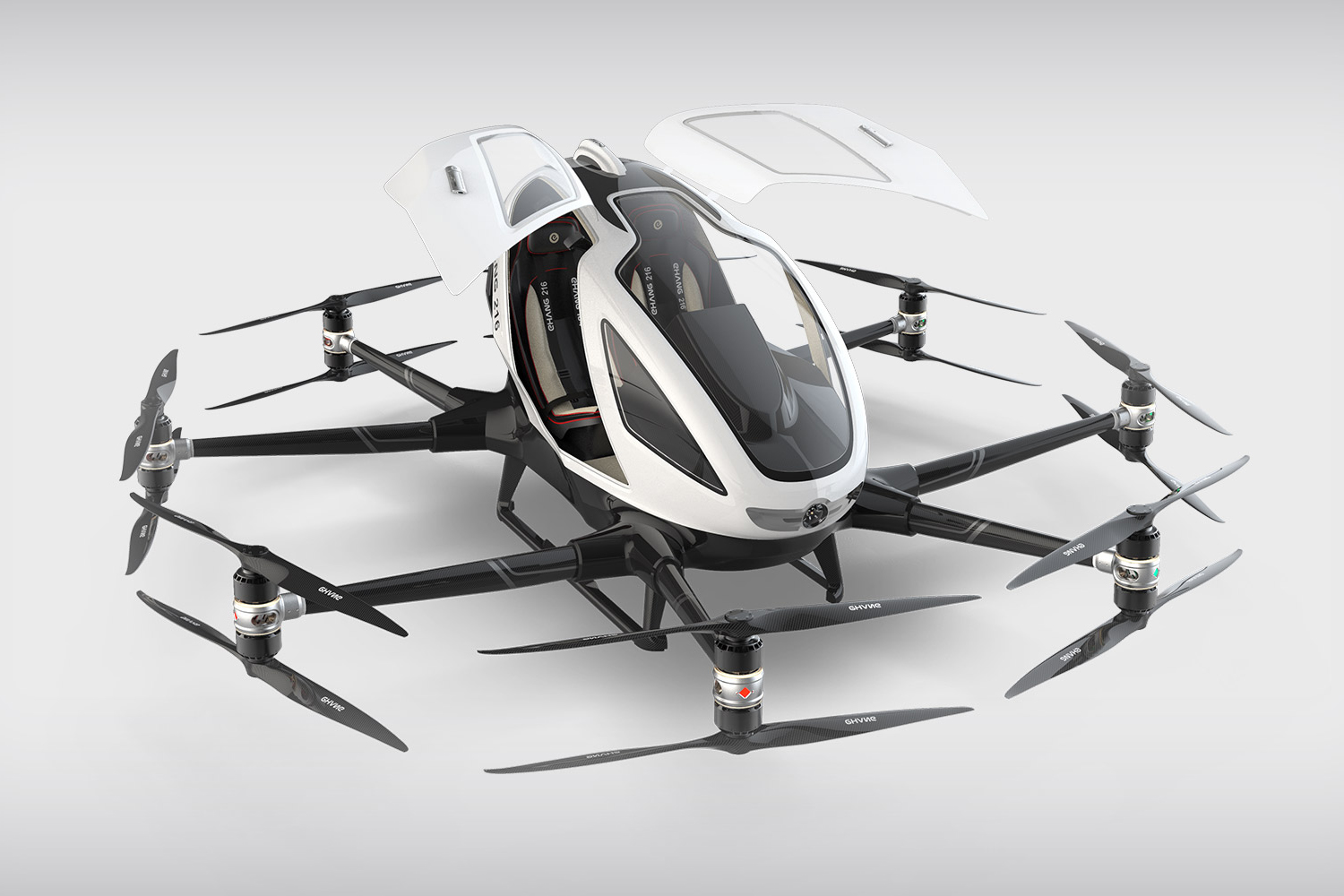
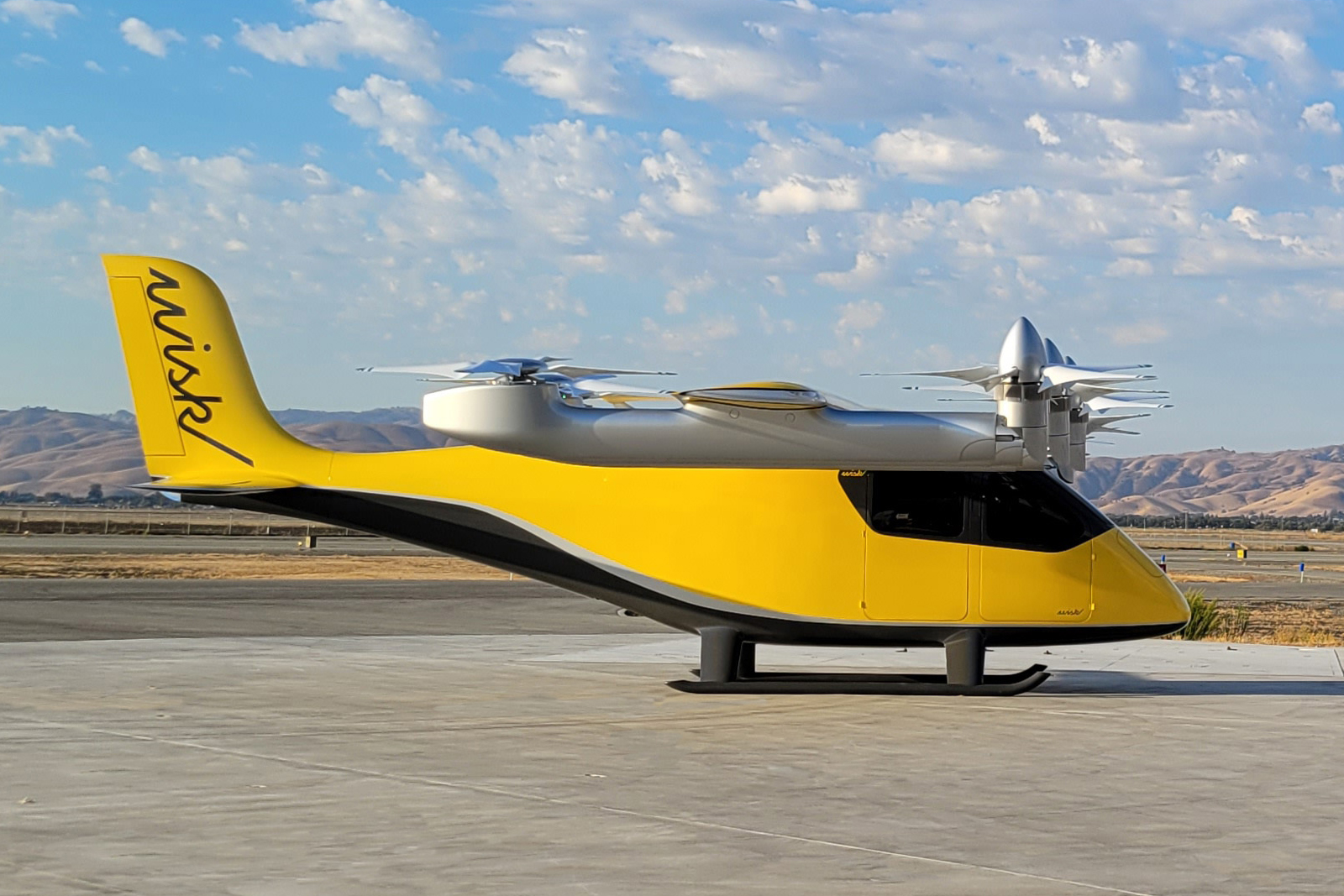
EHang, Wisk, Vertical, Volocopter, Lilium, Eve, and other Chinese/EE/EU paths emphasize autonomous or piloted passenger/tourist operations under different regulatory systems; treat regional certifications as non-identical. Full stills catalog: drone-photos/INDEX.
Status honesty: impressive flying prototypes and deep certification work ≠ ubiquitous urban air taxi networks in every city.
Drone Grand Prix — racing as its own product class
❓ Is there a Formula-1 for drones?
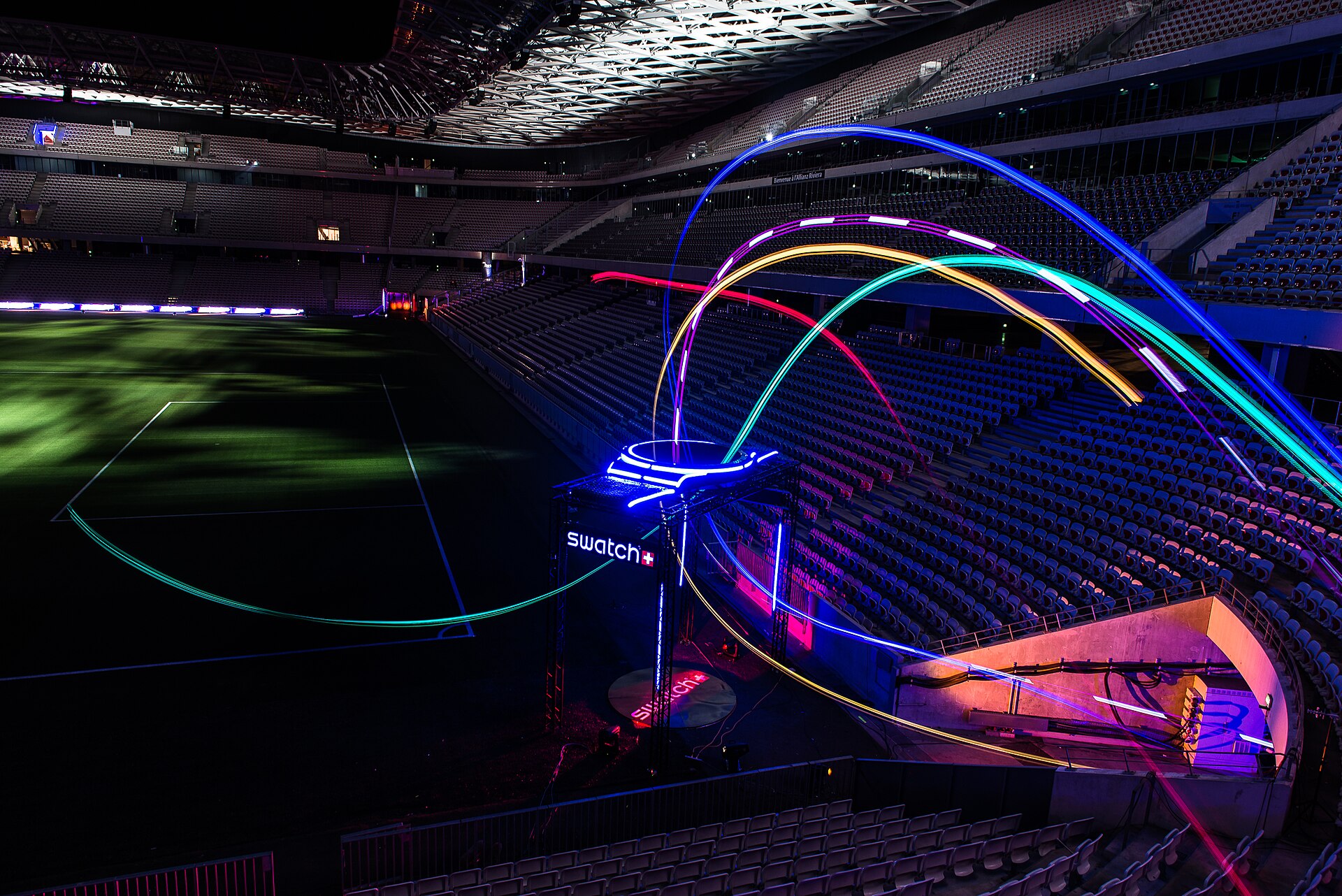
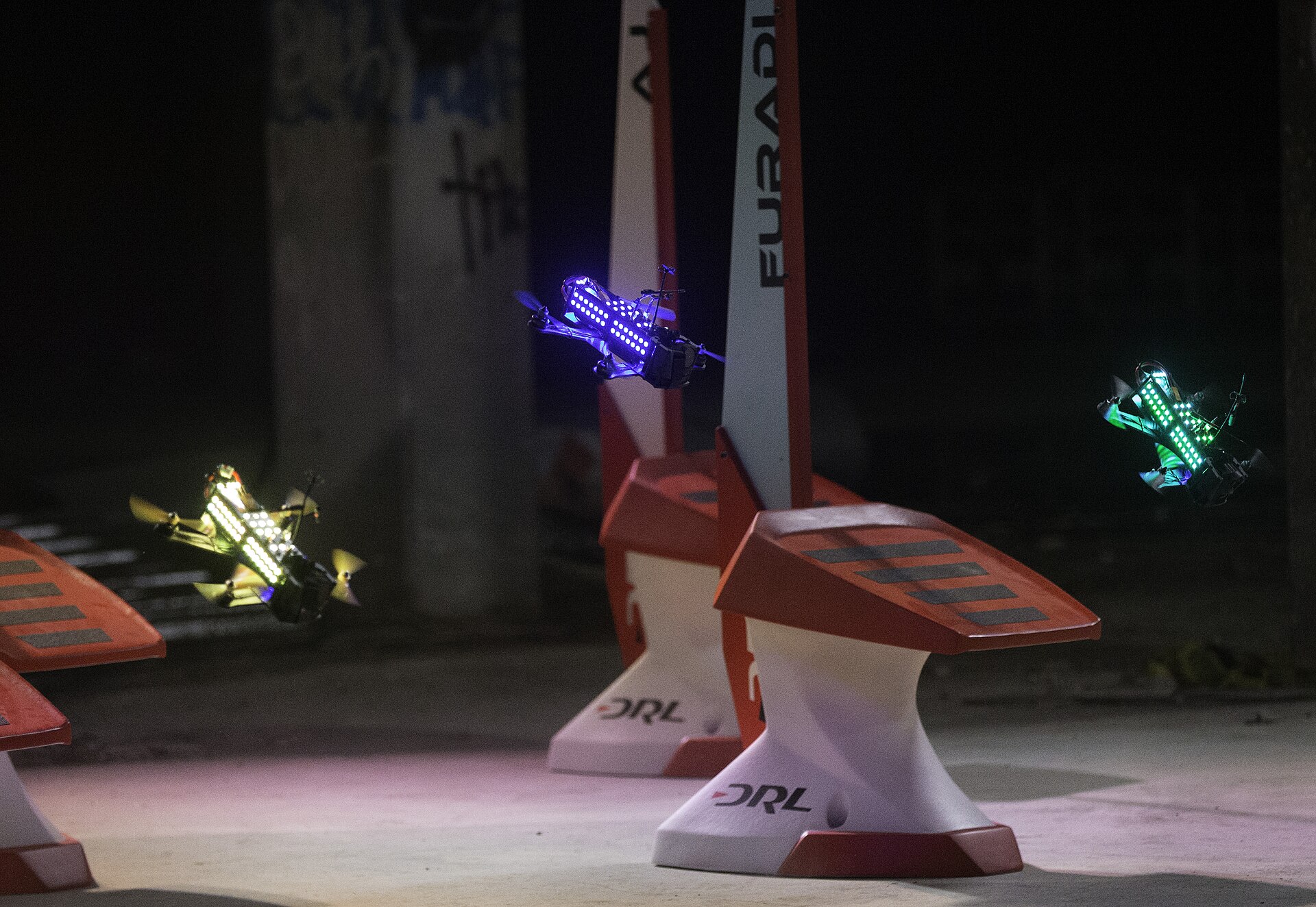
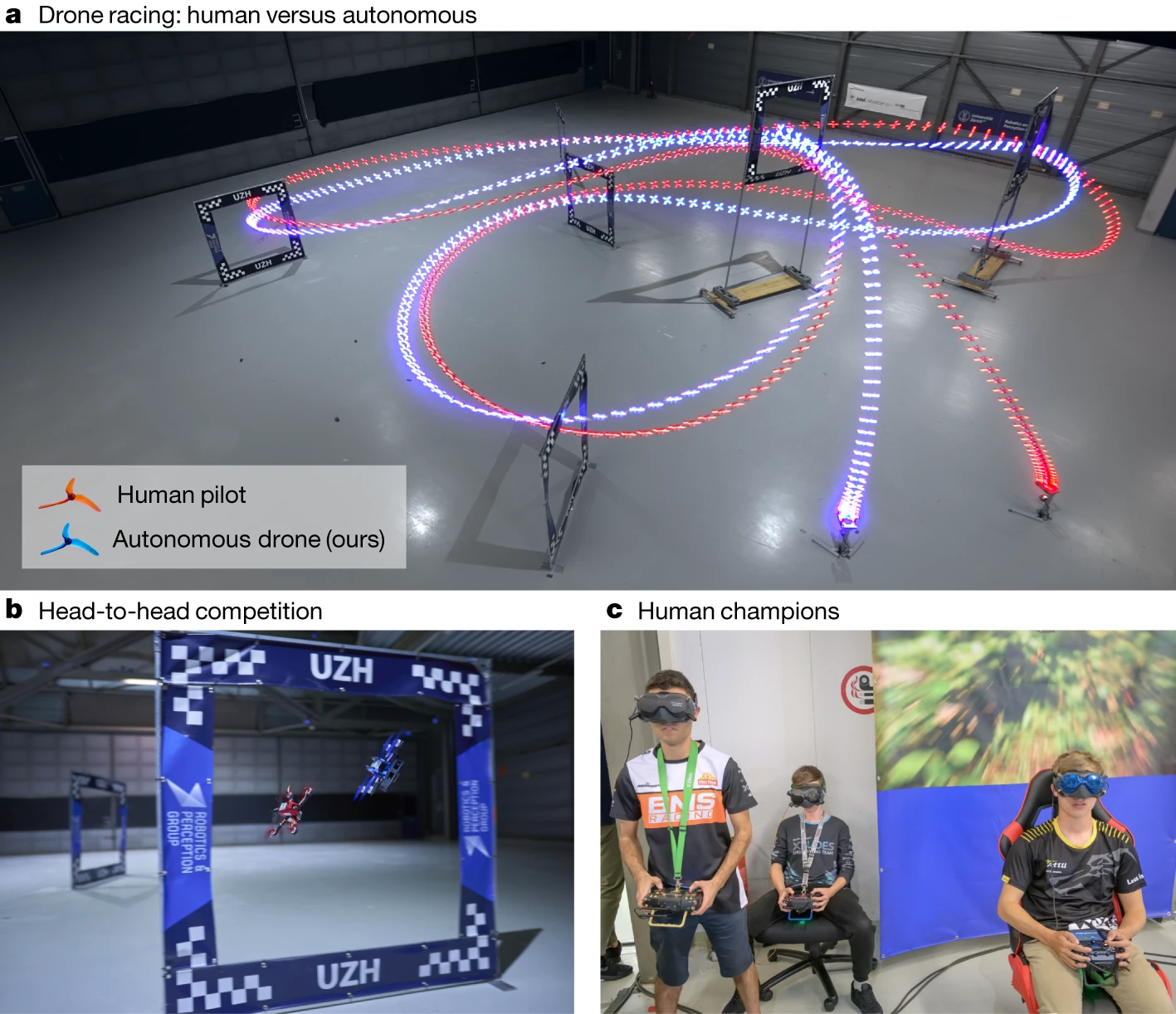
Yes — several leagues and sanctioning bodies treat FPV drone racing as spectator sport, not as a side hobby of photography drones. The honest frame is motorsport for multirotors: gates, laps, pilot skill (or autonomy), broadcast production, and season championships. It is not the same product as logistics or passenger eVTOL; it is the speed/agility shop on the SOTA street.
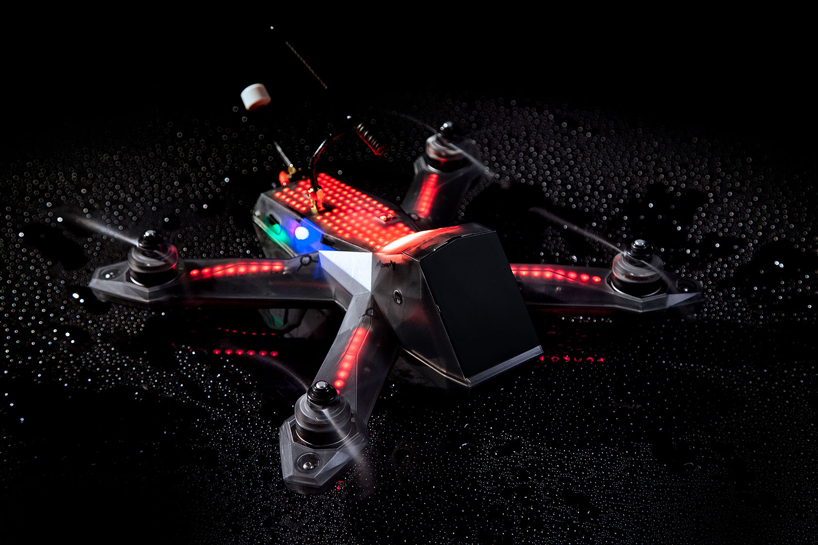
What the “F1” analogy gets right — and wrong
| F1 analogy | Holds for drone racing | Breaks |
|---|---|---|
| Named series + seasons | MultiGP championships, DCL cups, FAI world events | No single monopoly “FIA of drones” yet |
| Elite pilots as stars | Callsigns, leaderboards, invitational fields | Smaller mainstream TV footprint than F1 |
| Spec / open classes | MultiGP open-class + Pro Spec; league-owned DRL racers | Frequent format churn |
| Global calendar | World Cup stops, EU champs, national opens | More grassroots chapters than permanent circuits |
| Technology feeder | FPV skills, airframes, simulators feed defense and hobby | War-time FPV is a different economics |
| Flying-car racing sibling | Airspeeder eVTOL race series (manned/remote multi-rotors) | Not the same as sub-1 kg FPV quads |
Leagues and governing layers (mid-2026)
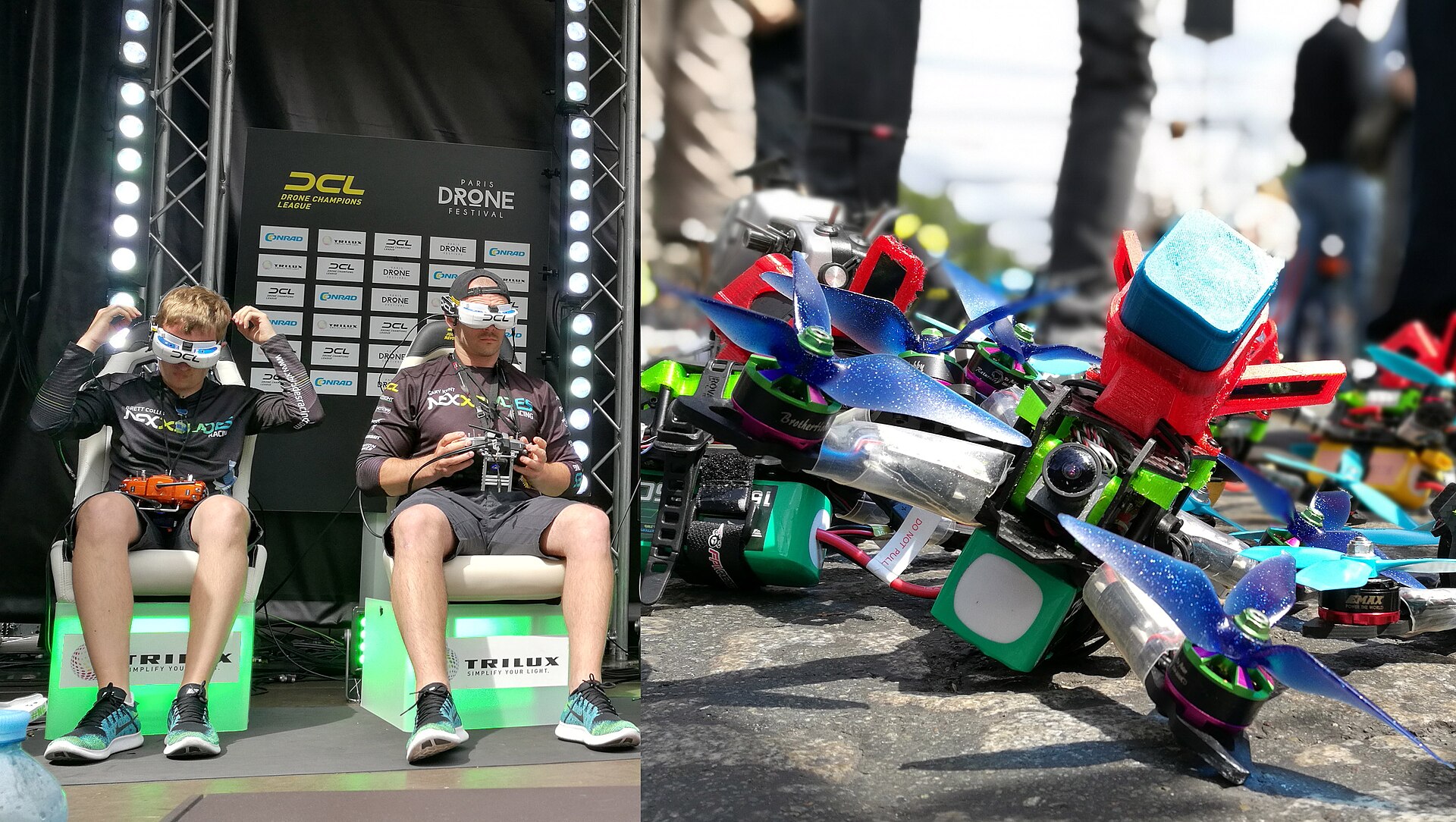
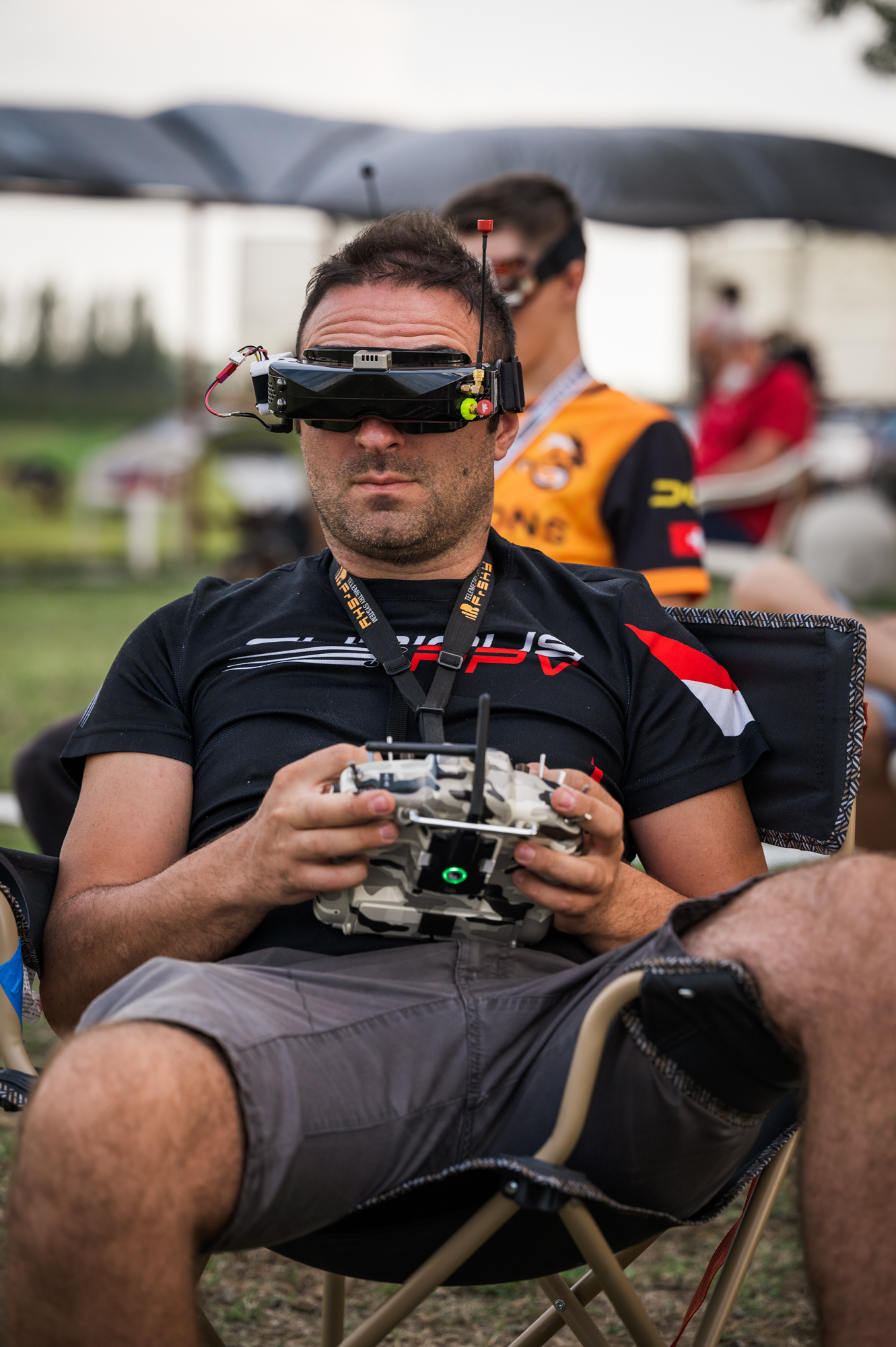
- MultiGP — self-described largest FPV racing league/community; chapter network, World Cup / International Open ladder, MultiGP Championship 2026 staged for Dallas, 15–17 Oct 2026 (open-class crowning event; cash purse publicized for top finishers). EU Championship calendar continues (e.g. Sep 2026 messaging). Public claims on the order of tens of thousands of registered pilots and hundreds of chapters — treat as operator figures, not audited census.
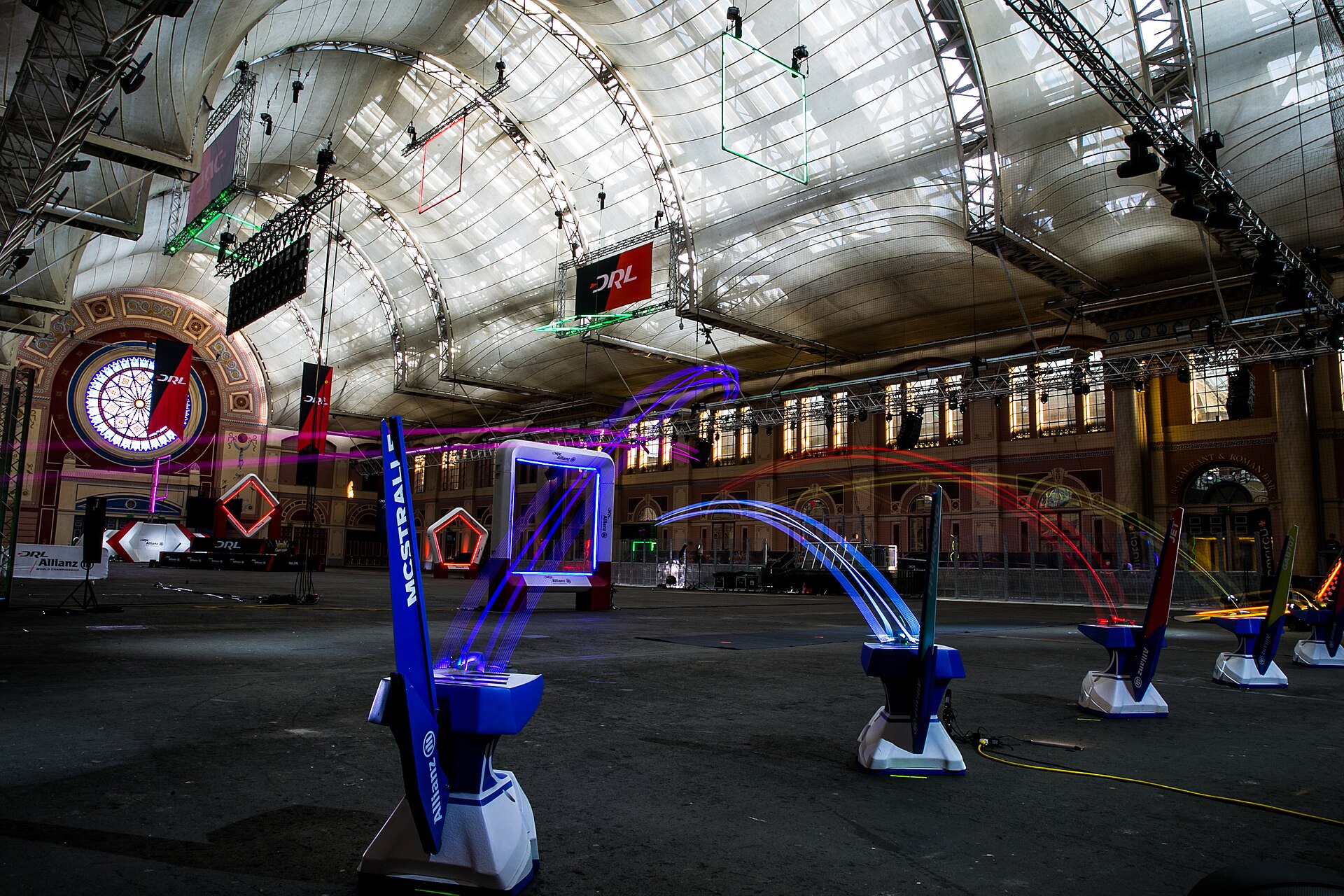
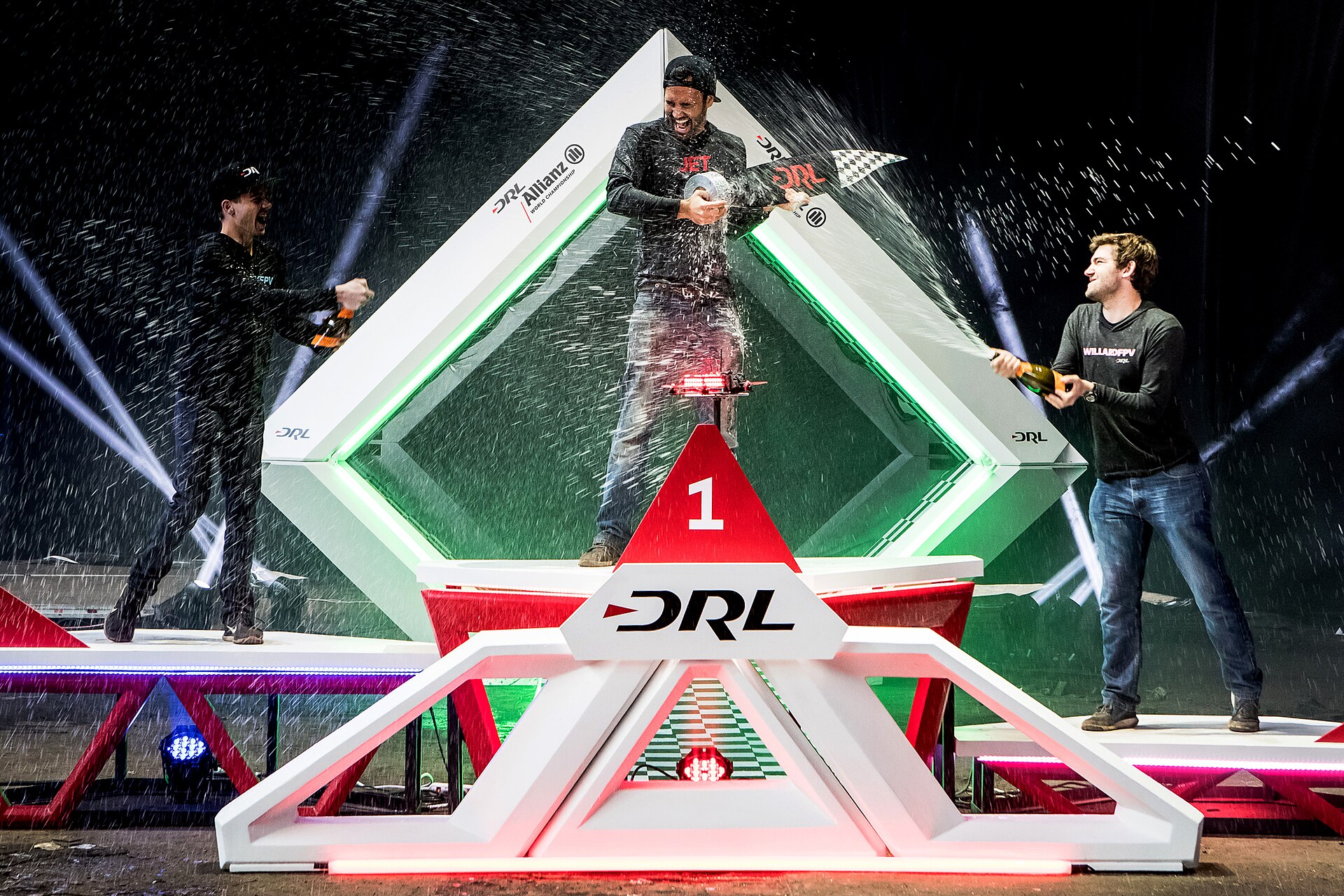
- Drone Racing League (DRL) — the production-heavy, arena-spectacle end of the 2010s–early 2020s: standardized racers (Racer2 / Racer3 lineage), stadium/landmark courses, broadcast packaging. Photo record includes Alexandra Palace (London), BMW Welt (Munich), NYC tryouts, roller-coaster tracks — the “esports + motorsport” brand people mean when they say drone F1 on TV.
- Drone Champions League (DCL) — mixed-reality format: simulator / virtual stages feed real-world finals. 2026 season structured as three Cups (Falcon, Eagle, Hawk) + Super Final; national extensions such as Saudi DCL with Tuwaiq Academy and a live final narrative at LEAP 2026 (Riyadh). DCL also surfaces AI Grand Prix-style autonomous vs human challenge branding.
- FAI (World Air Sports Federation) — formal air-sport layer: FAI World Drone Racing Championship, FAI Drone Racing World Cup 2026 calendar, and drone racing at The World Games (e.g. Chengdu 2025 window). This is the “Olympic-adjacent” legitimacy track, distinct from any single commercial league.
Airspeeder — the other “Grand Prix” (flying cars that race)
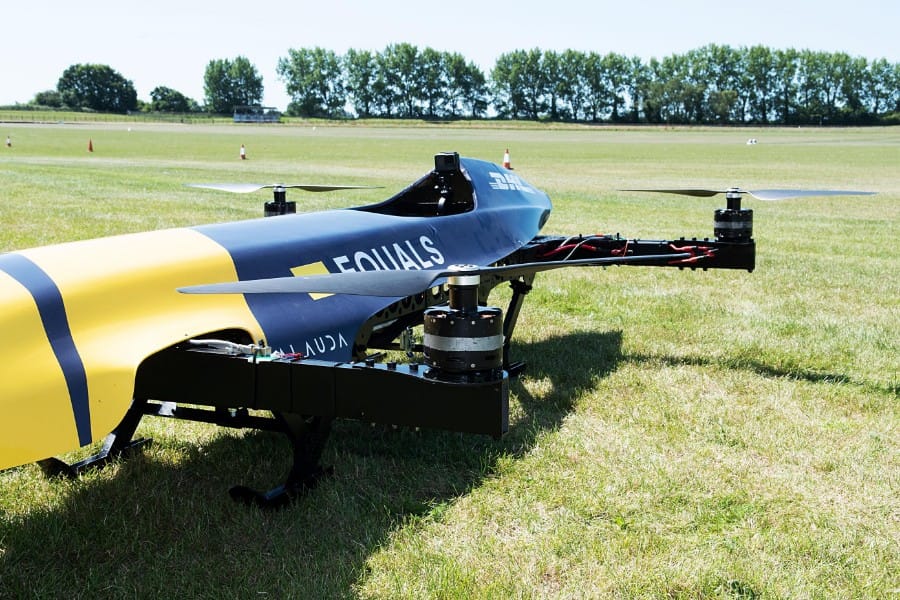
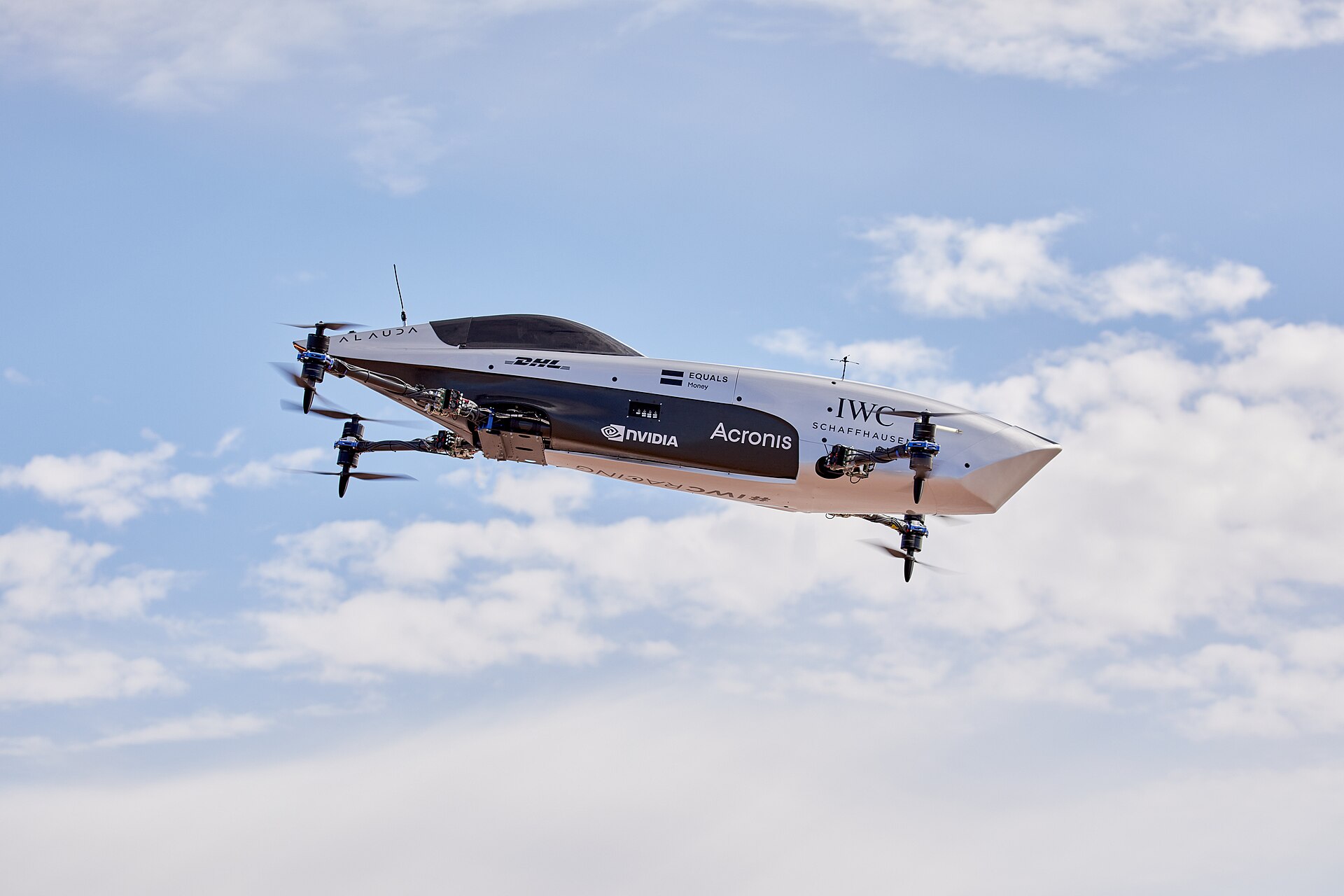
Airspeeder markets itself as the electric flying-car / eVTOL racing series — manned multi-rotor racers on a motorsport path (remote-today / piloted-tomorrow narrative in company materials). It sits beside FPV leagues the way GT racing sits beside karting: shared thirst for gates and drama, different mass, certification, and pilot risk. Goodwood and South Australia stills show the physical product class, not a desktop sim.
Why racing matters beyond trophies
- Skill factory — FPV stick time and race sims trained a generation of pilots whose muscle memory later showed up in freestyle video and attritable military FPV.
- Hardware iteration — thrust-to-weight, video latency, durability under crash rates that logistics OEMs never accept.
- Autonomy testbed — AI-vs-human races and mixed-reality quals are public pressure-cookers for perception and control, not only entertainment.
- Public intuition — racing is how non-pilots learn that a multirotor is not “a slow camera on props”; it can be a high-rate control problem with gates measured in tenths of a second.
Limits: prize funds and TV deals have waxed and waned; “world championship” titles multiply across MultiGP, DCL, FAI, and legacy DRL brands — always name the sanctioning body. League logos ≠ civil airspace access for your delivery fleet.
Swarm and multi-agent
❓ What is SOTA for many cooperating vehicles?
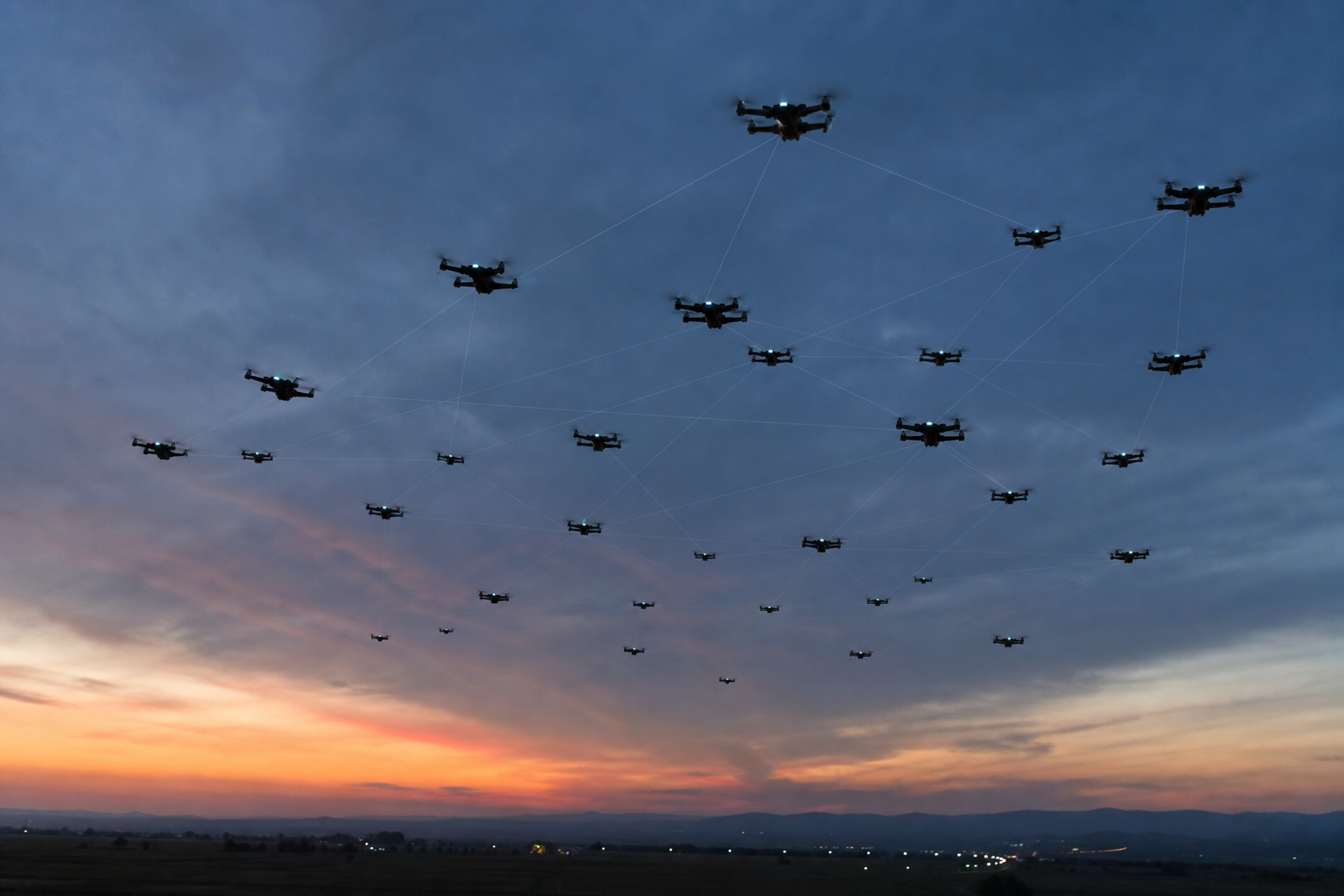
- Research/military: DARPA OFFSET lineage demos (100+ physical agents in experiments; playbooks; human interfaces).
- Orchestration focus (2026): DIU-style challenges to command mixed fleets.
- Civilian entertainment mass: thousand-drone light shows (scripted excellence) that increasingly replace or share the sky with fireworks at civic festivals — best-in-class choreography, not adaptive combat swarms.
- Civilian utility: multi-drone agriculture and inspection pilots.
- Combat: rapid evolution of group tactics and autonomy assists; open-source clarity on full autonomous lethal swarms remains limited.
Light shows as a SOTA slice (with the gunpowder warning)
❓ What does “best” mean when drones replace fireworks?
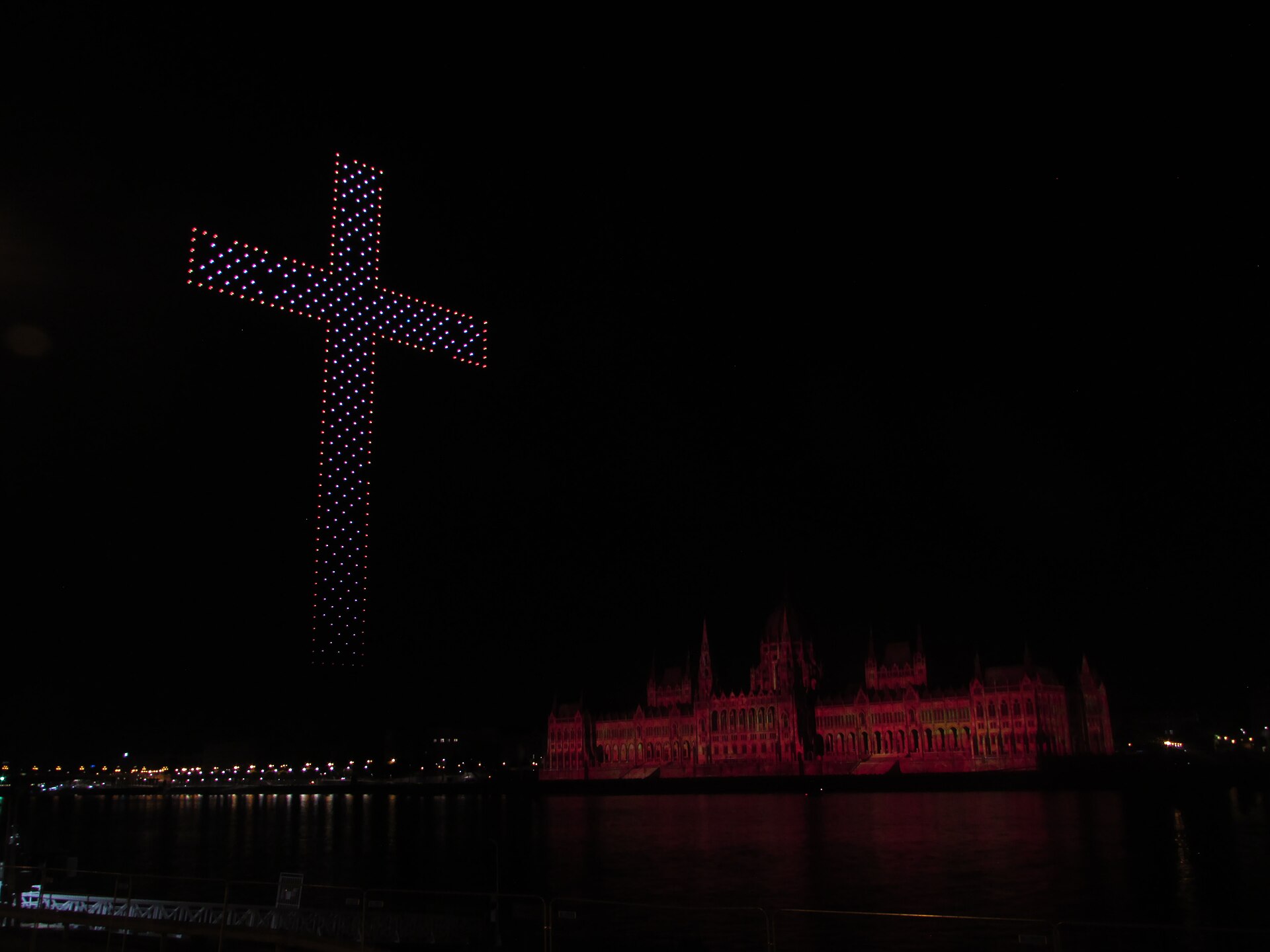
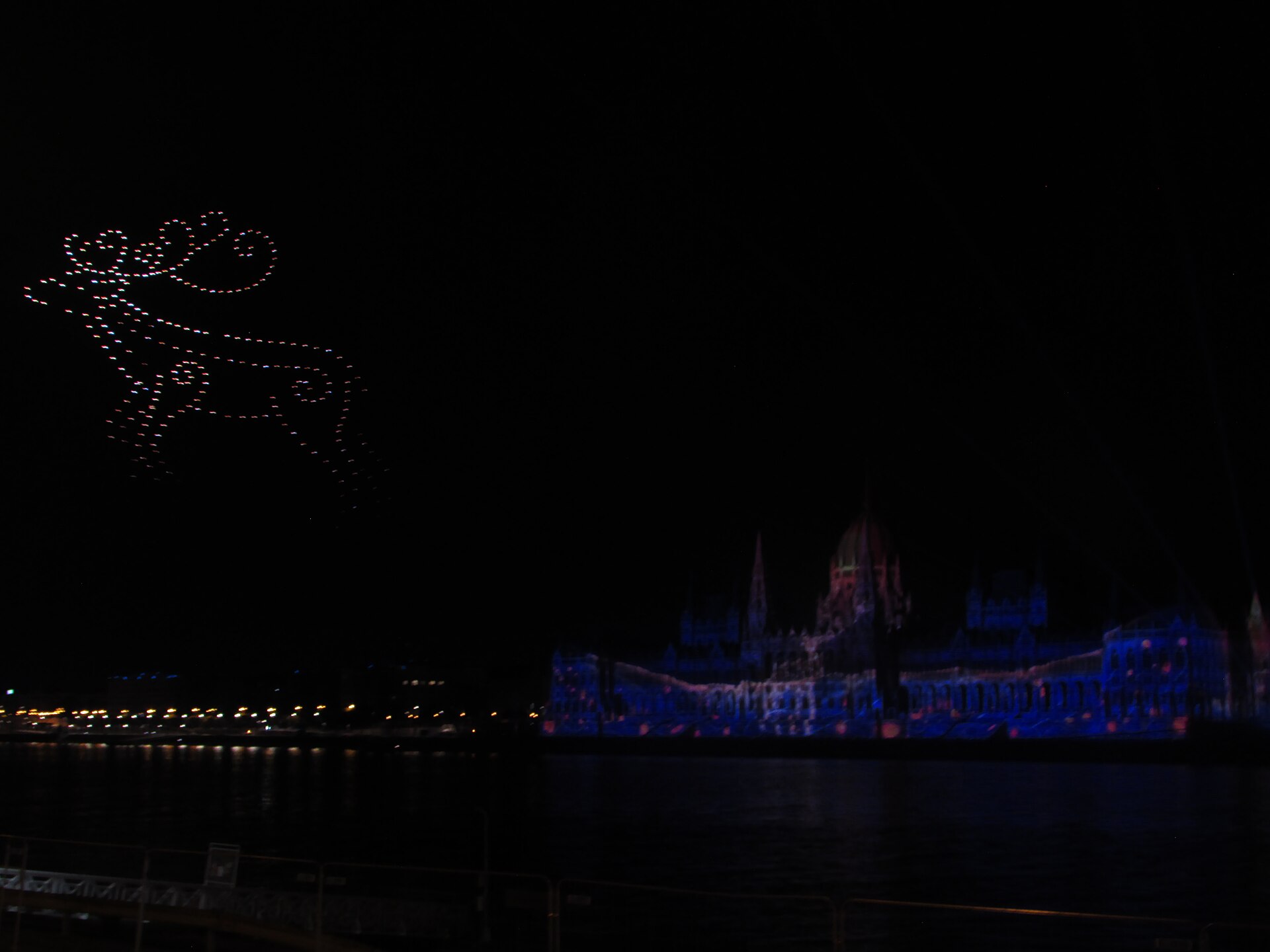
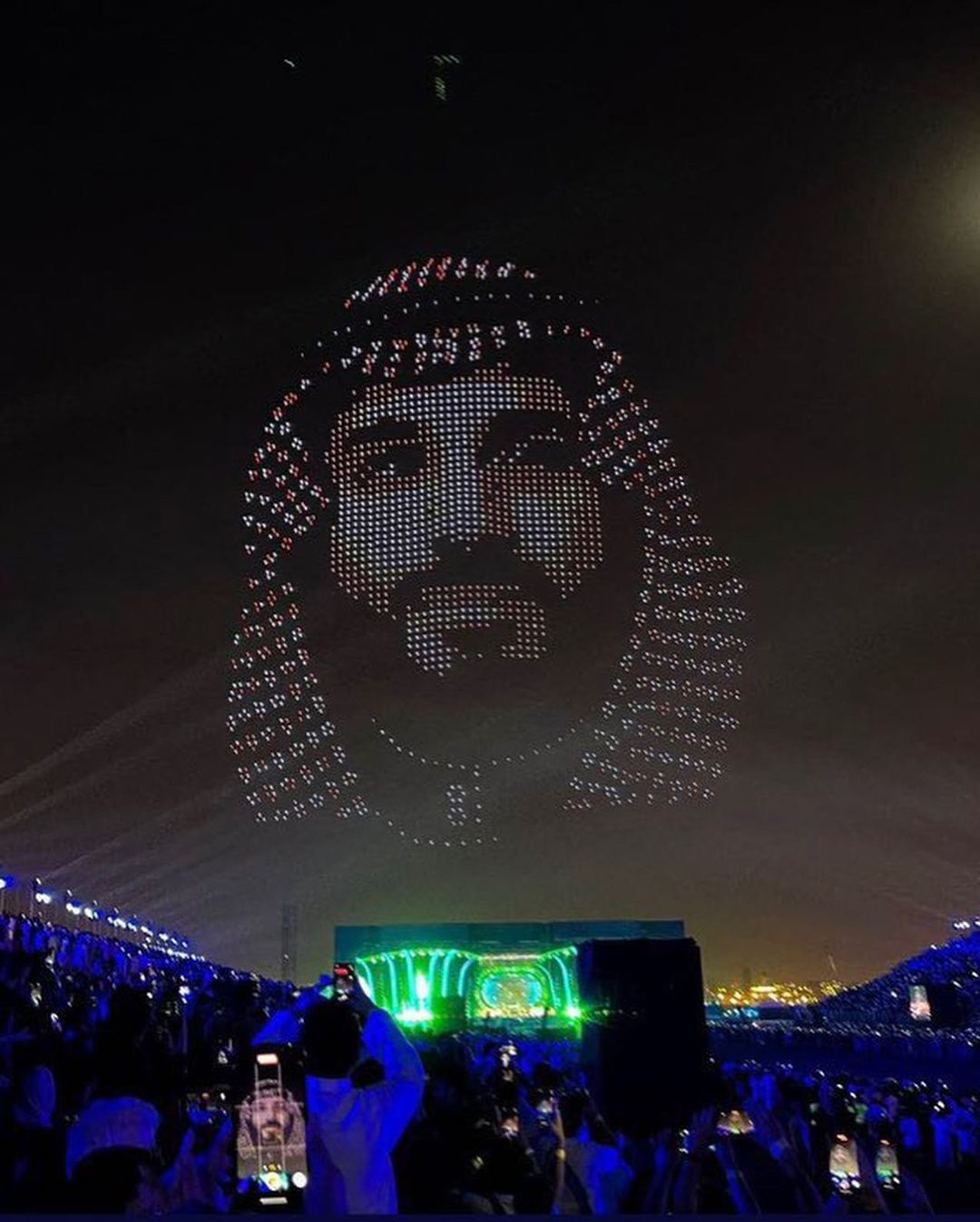
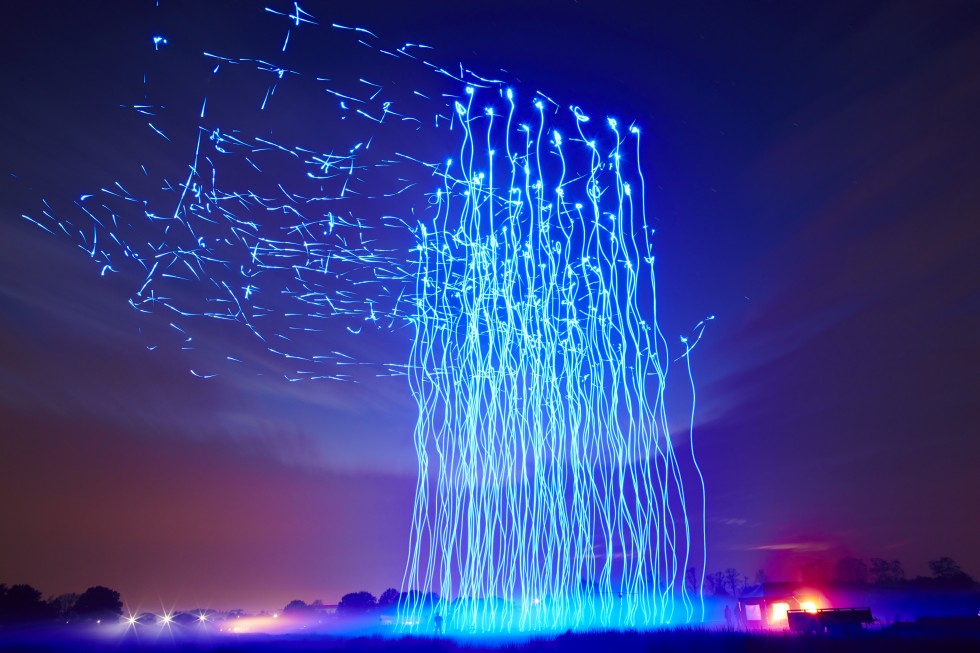

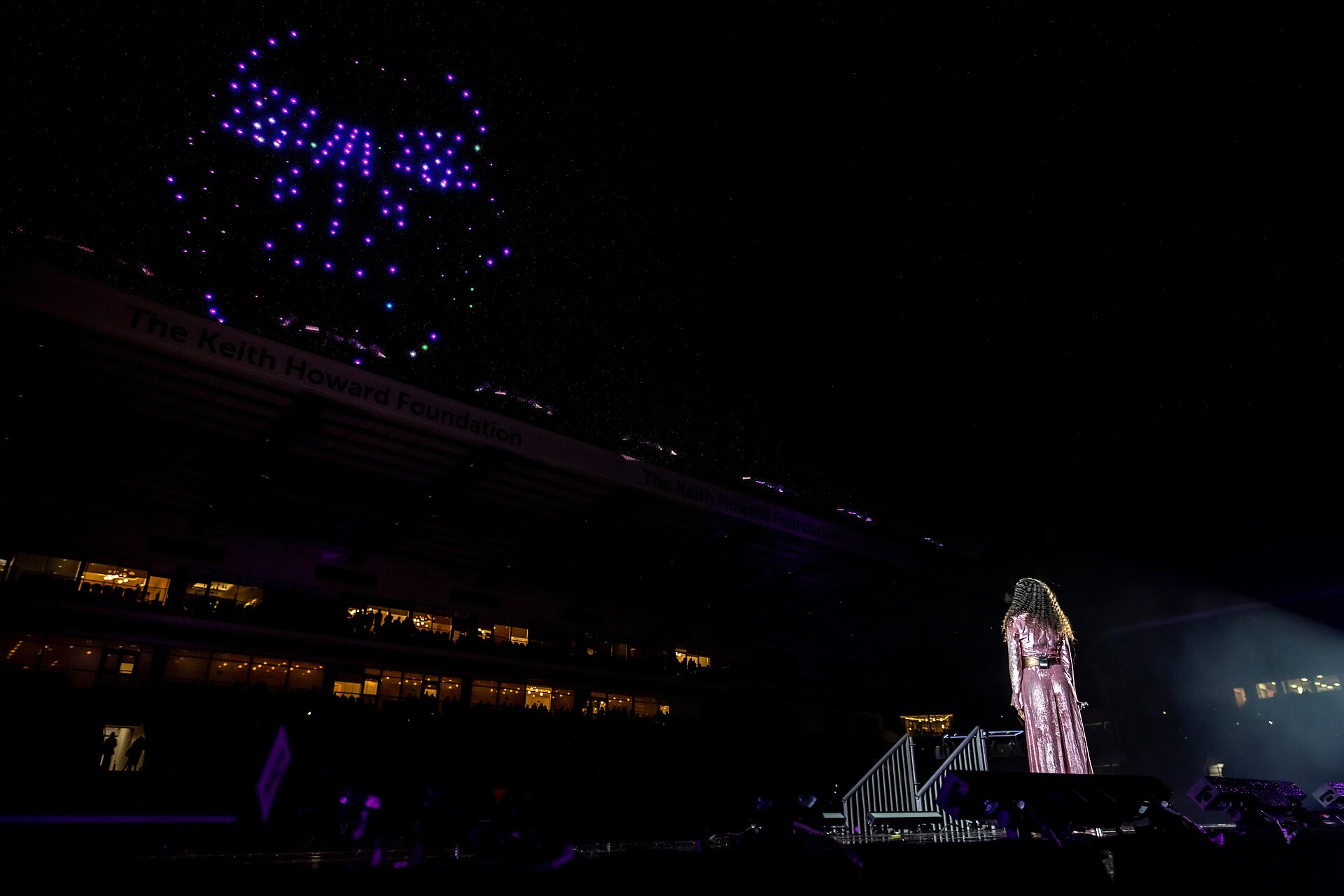

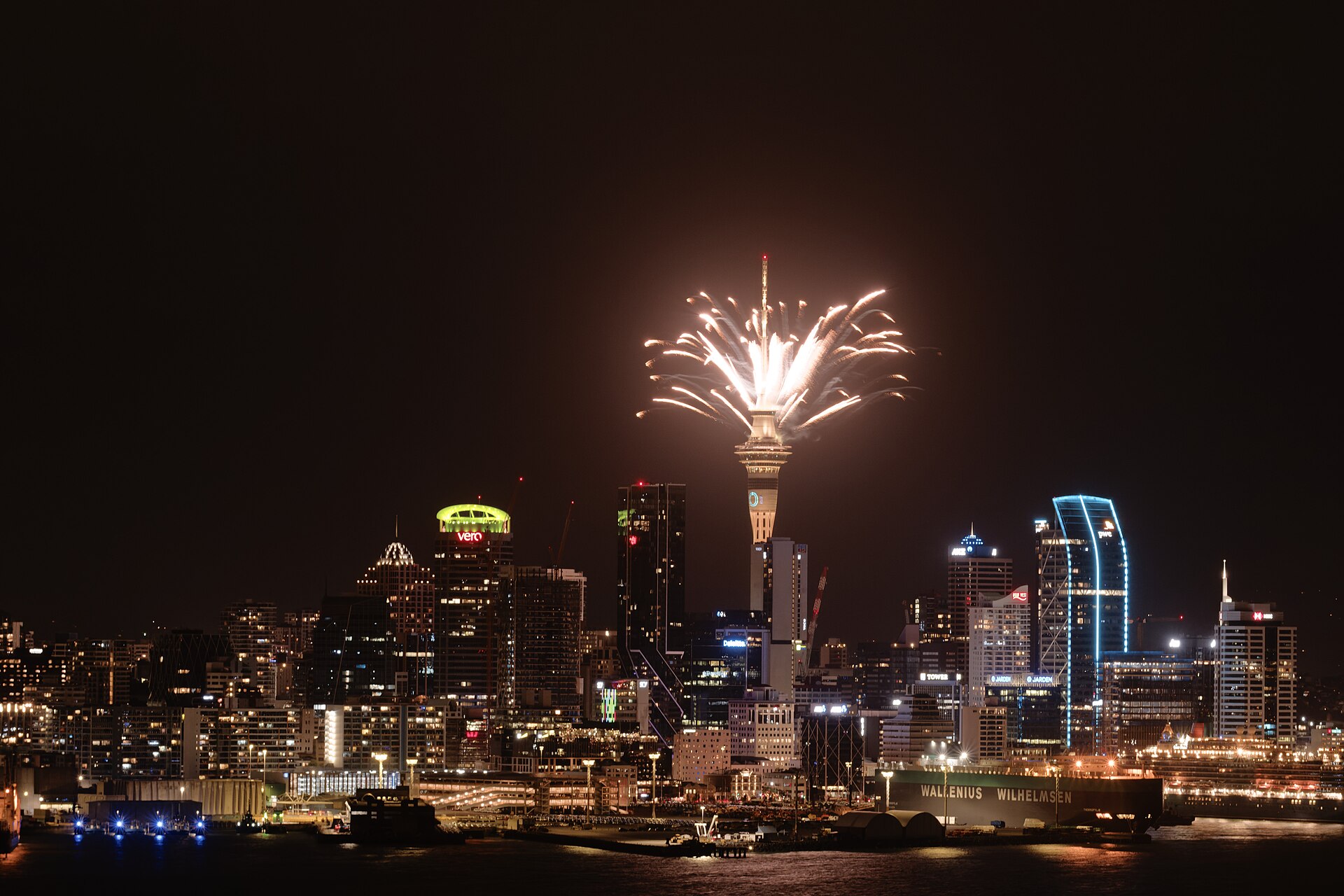
Best-in-class light shows optimize programmable spectacle, reuse, and (sometimes) lower wildfire/smoke externalities versus consumer fireworks. Residual risk remains: dense UAS over people, batteries, links, and fail-safes.
Historical parallel: gunpowder, invented in China, powered festival fireworks and then military rockets and guns. Drone swarms / mass follow the same double life — New Year’s art and race gates on one path; attritable military FPV and saturation attacks on another. Entertainment adoption is not proof of tactical swarm maturity; it is proof the platform generation is cheap and culturally normal.
Snapshot table
| Slice | Example | Standout metric (public, approx.) | Not yet |
|---|---|---|---|
| Consumer camera | DJI Mavic/Mini class | Pro video in sub-$2.5k kits | Hour-long hover |
| Logistics MR | FlyCart 30 class | ~30 kg lift | Long range with that mass |
| Hybrid cargo | CW-80E class | Hours / 100+ km claims | Universal airspace access |
| Military MALE | MQ-9 class | Persistent ISR/strike | Cheap attritable economics |
| Attritable tactical | FPV / one-way | Cost at scale | Easy defense |
| Passenger eVTOL | Joby S4 / Archer Midnight | Cert depth + cruise speed claims | Routine city networks |
| Drone Grand Prix / FPV racing | MultiGP · DCL · FAI WDRC · DRL legacy · Airspeeder | Season cups, gates, broadcast, pilot stars | Single global F1-equivalent monopoly |
| Light shows (vs fireworks) | Geoscan / Intel-class civic shows | Scripted 100s–1000s LEDs, reusable sky art | Adaptive combat swarm; zero residual risk over crowds |
| Swarm | OFFSET / orchestrators | Multi-agent playbooks | Turnkey ethical autonomy |
Photos and visuals
Chapter illustrations and class stills are embedded inline above (and at the top of each numbered chapter). Paths also live under:
illustrations/— explanatory diagrams for each chapter themedrone-photos/by-craft/— named product stills (flying cars, eVTOLs, racing / Grand Prix, personal flyers)
Contrarian close
SOTA demos optimize for cameras and keynotes. Operational SOTA also includes boring excellence: maintenance manuals, spare props, trained pilots, insurance, and a regulator who answers email. The most advanced airframe in a hangar loses to a mediocre fleet that flies every day.
Synthesis bridge
Across examples the same mechanism recurs: digitized control + electric propulsion + sensors, then divergence by energy path and rule set. Multirotors win convenience; wings win range; hydrocarbons still win persistence; certification wins (or delays) passengers; software wins swarms.