Last updated: 2026-09-24
The photo still has to be opened
Harborline’s software can draft a housing-denial letter. It can turn file notes into formal language, find missing fields, and suggest reasons. Those are useful tasks. They are not the same as deciding: applying the rules to this case, checking the evidence, and accepting responsibility for the result.
Yara opens the photo of mold on the ceiling before she sends a denial. The software can describe the photo or place a sentence in a letter, but it cannot be the accountable employee for a decision that affects a family’s home. If the decision is wrong, a person must be able to explain what was reviewed, what rule applied, and how the person can challenge it.
This is an automator in bits: software that drafts, searches, summarizes, or suggests on a screen. The next lesson considers machines that act in the physical world. Start here because many workplaces already have the first kind of tool. The practical question is how to use it without removing human review from consequential cases.
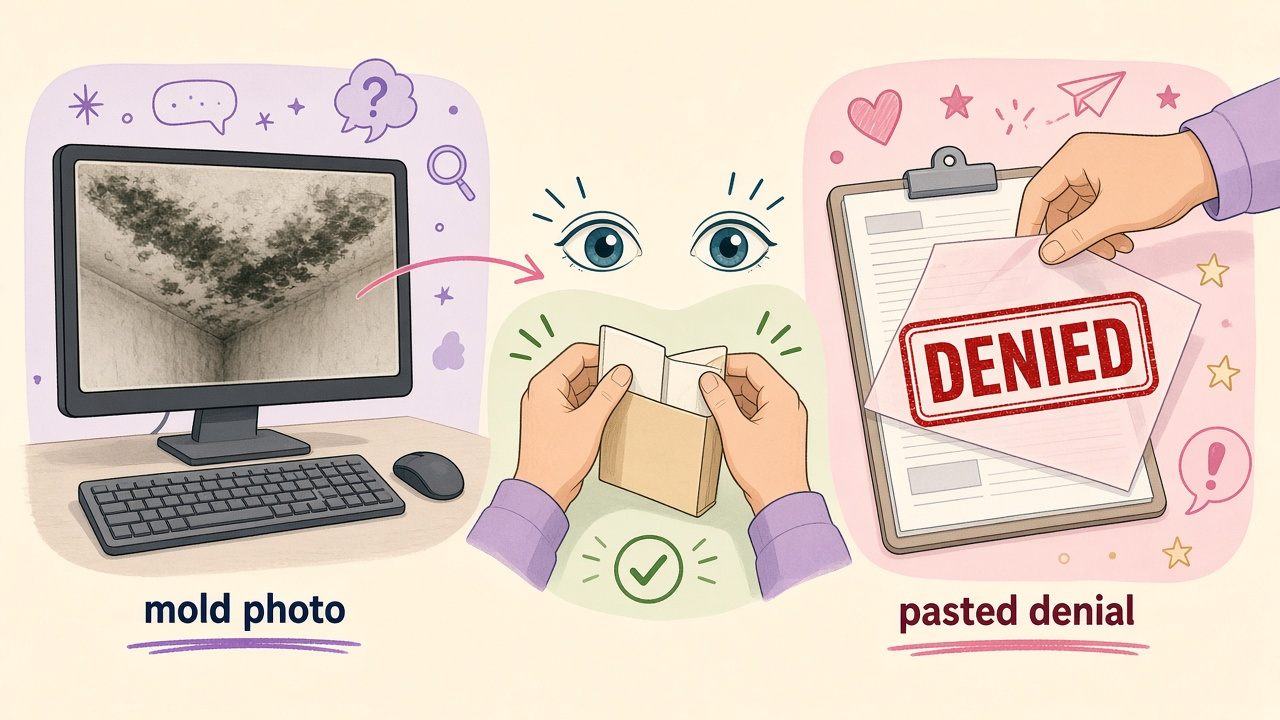
For Harborline, a draft should remain a draft until Yara checks the evidence and chooses to send, revise, or stop it. Fast writing can reduce routine work. It does not remove the need for judgment, records, or a named decision-maker.
Next, consider why past claims about what computers would never do have repeatedly changed—and why that history still does not make automated output a final decision.