Last updated: 2026-09-10
Hot bay, dead batteries
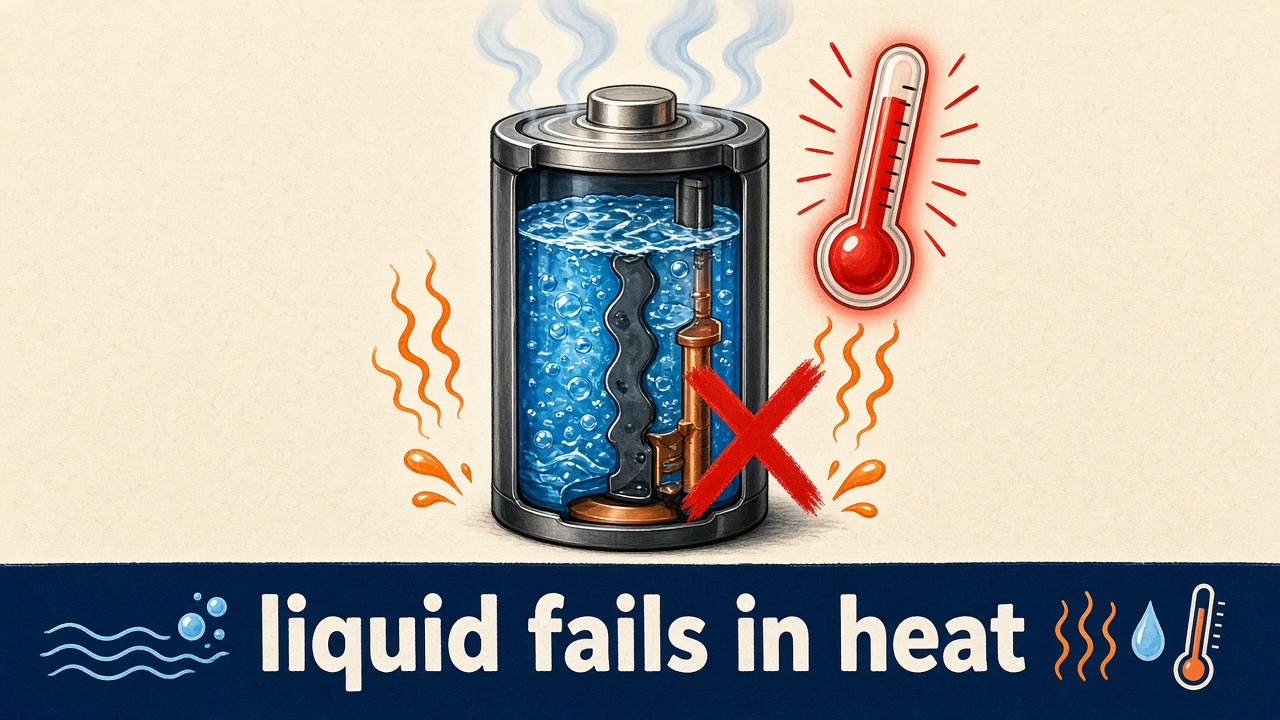
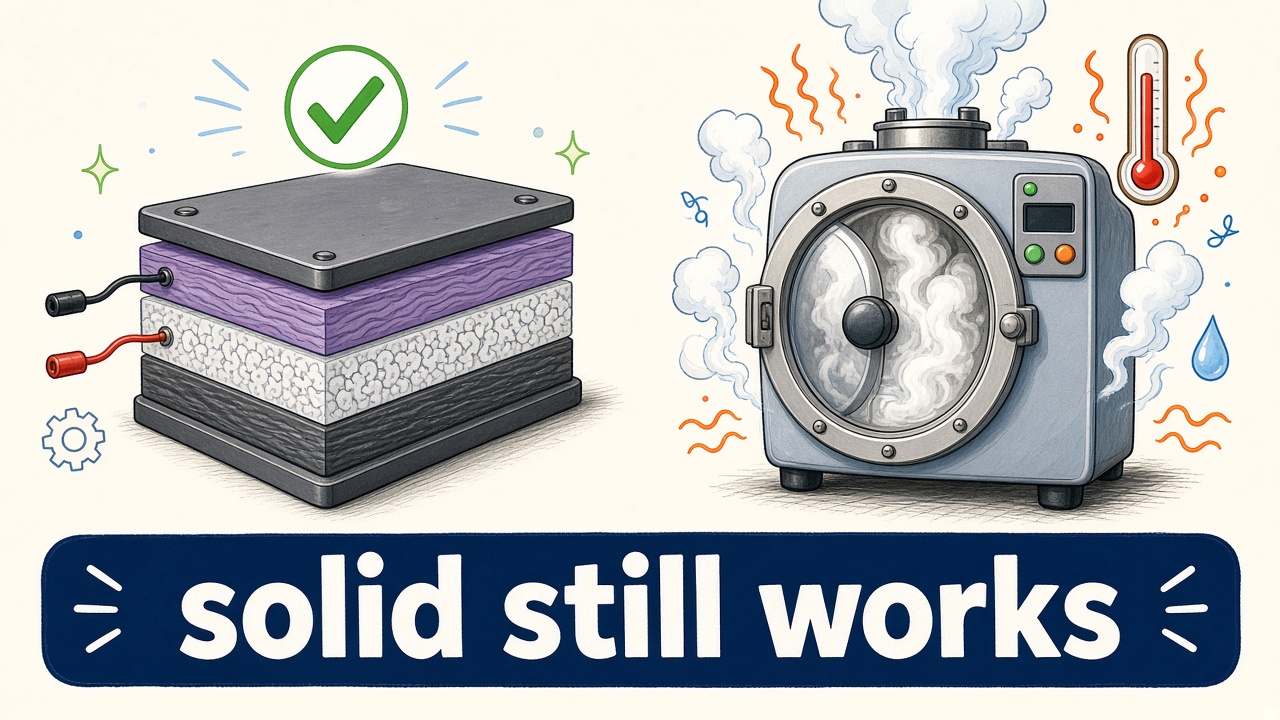
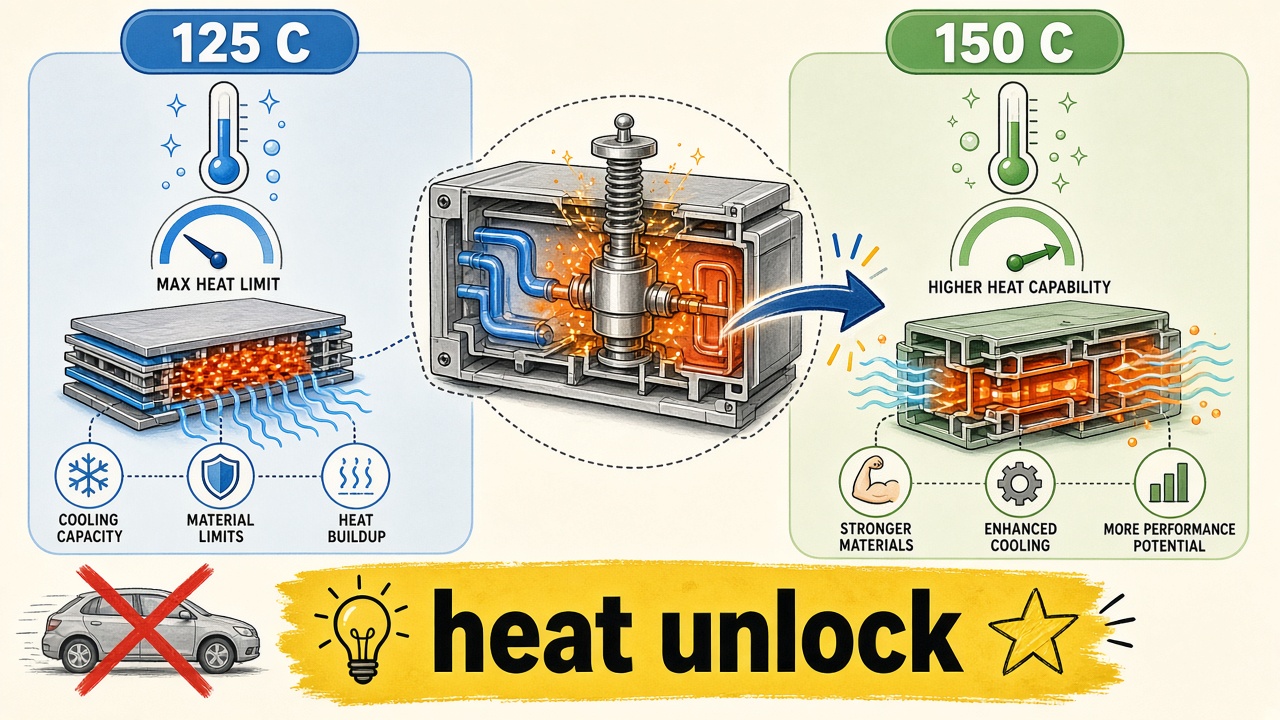
Ordinary batteries fail when a machine bay gets that hot — the liquid inside cannot take continuous duty there, so sensors go dark. On 9 September 2026 Reuters reported a solid-state battery line raised its claimed operating ceiling from 125°C to 150°C, added a small prismatic cell, and aimed sample shipments for October–December 2026. First targets are industrial machinery and vehicle sensors, not electric cars. Some solid batteries can stay in the heat, so sensors can live on the hot machine.
What happened
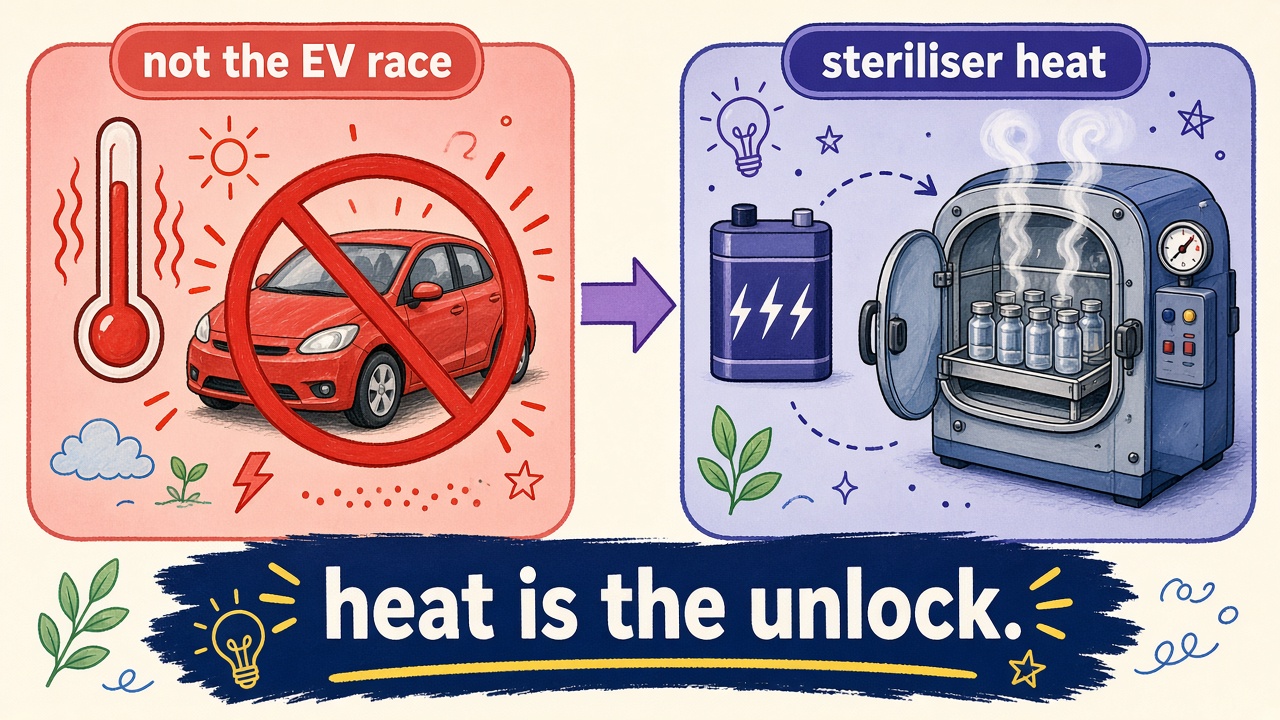
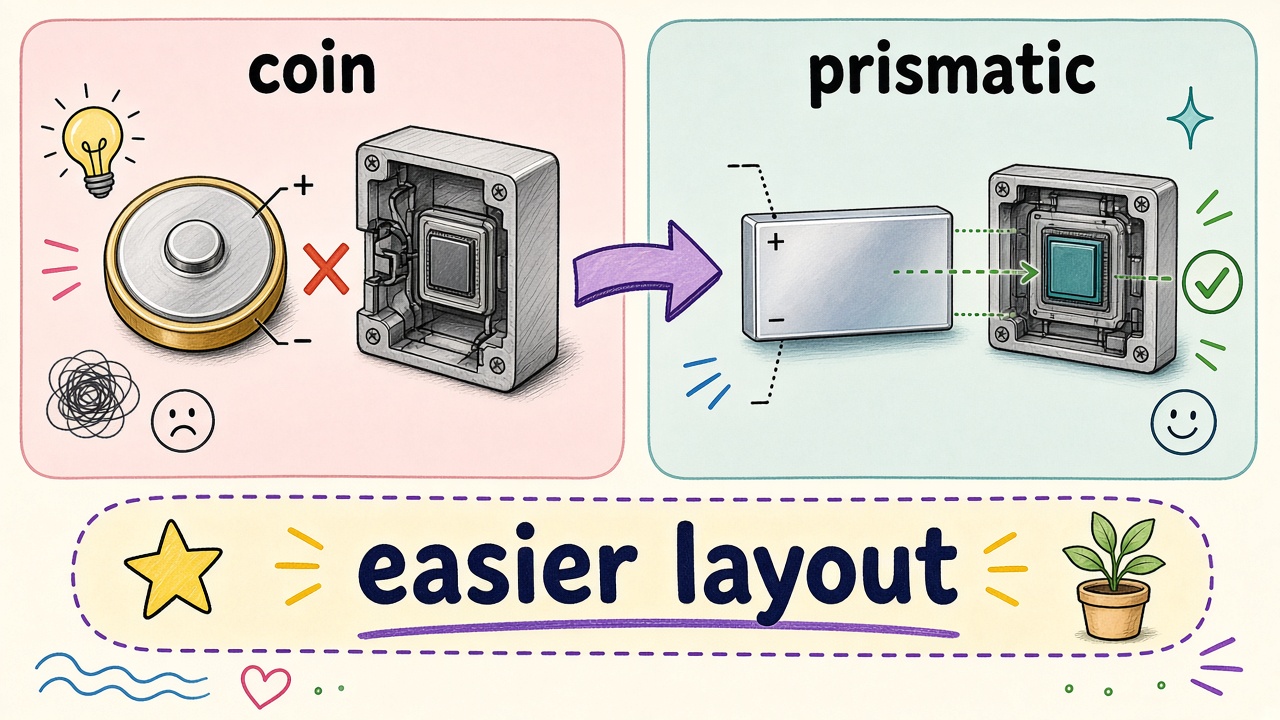
On 9 September 2026 Reuters reported from Japan that Panasonic Energy developed a solid-state battery that can operate at temperatures up to 150°C (302°F), raising the maximum from 125°C. The company added a new small prismatic cell design that is easier to lay out than coin-shaped cells. CTO Shoichiro Watanabe said higher heat tolerance could broaden uses such as sterilisation of medical equipment.
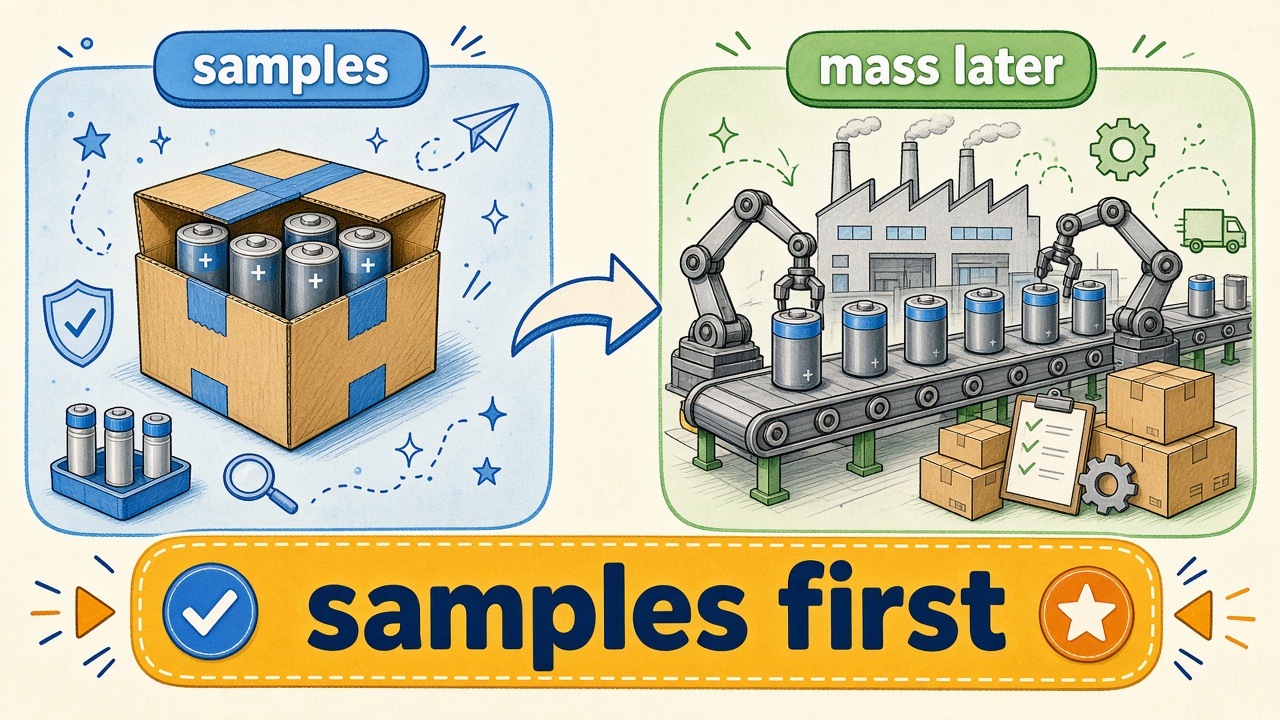
Sample shipments are planned for October to December 2026. First targets are industrial machinery and vehicle sensors — not EVs. Mass production is aimed for one to two years after samples. Separately, cylindrical solid-state work for humanoid robots was described as accelerating; that is a parallel remark, not the same sample window.
Here is the sharper scoreboard. What is narrowly new is a claimed 150°C operating solid-state cell in a small prismatic format, with a stated late-2026 sample window, aimed at hot industrial and sensor niches. Liquid lithium-ion cells already existed. This is not an EV pack launch, not same-day mass production, and not proof that medical sterilisation products already ship with this cell.
The one idea
Some solid batteries can stay in the heat, so sensors can live on the hot machine.
That is a capability class — small solid batteries that still work in heat for industrial machinery and sensors — not a company to name and not a product to invent as “buy this brand.” Learn the class. Leave the local use open.
Honest limits
- Sample shipments are planned for October–December 2026 — not volume shipping tomorrow.
- Mass production is aimed for one to two years after samples; plans can slip.
- First targets are industrial machinery and vehicle sensors — not EVs.
- Sterilisation is named as a broadened potential use — not proof a medical product already ships with this cell.
- Do not invent capacity, cycle life, exact chemistry grade, or a sterilisation-protocol datasheet not in the source.
- Cylindrical cells for humanoid robots were a separate remark — not the same sample calendar.
- Naming a company or brand is not the invention.
Sources
- Reuters, 9 September 2026: https://www.reuters.com/business/energy/panasonic-energy-develops-solid-state-battery-that-can-operate-150-degrees-2026-09-09/
- Japan Forward / Sankei (prior 125°C industrial context), 19 September 2025: https://japan-forward.com/panasonic-develops-worlds-first-industrial-all-solid-state-battery/
- CNA (Reuters-sourced reprint), 9 September 2026: https://www.channelnewsasia.com/business/panasonic-energy-develops-solid-state-battery-can-operate-150-degrees-celsius-6372861
- DIGITIMES, 10 September 2026: https://www.digitimes.com/news/a20260910VL208/panasonic-industrial-solid-state-battery-robotics-market.html
Try inventing
Warmer Sun is where people come to follow, understand, and learn — not a lab. If you can say it in one plain sentence — some solid batteries can stay in the heat, so sensors can live on the hot machine — you understand the week.
Then invent with that class for a place under hot-bay pressure, where ordinary batteries fail at the sensor edge. Leave the design open.
Try it at https://warmersun.com/forge/?q=spotlight-battery-kilnreach-heat-2026. Free signup. No card.